
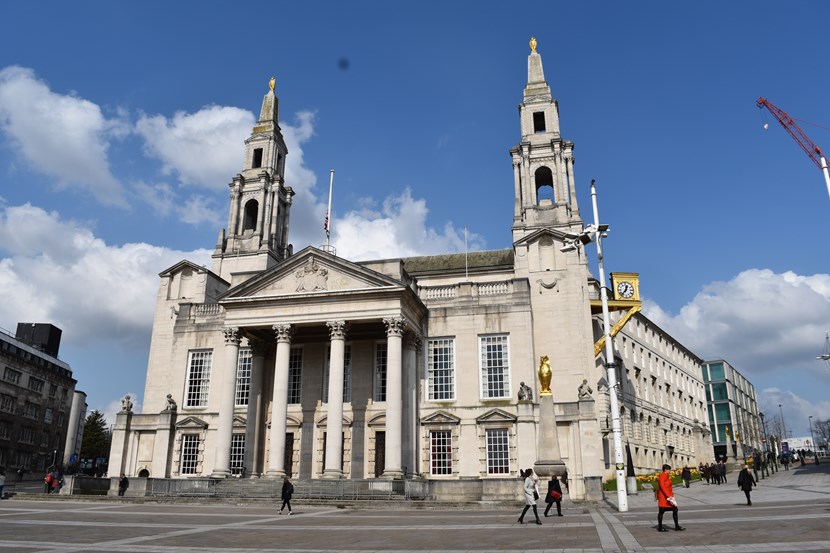
Leeds City Council is one of the largest municipal administrations in the United Kingdom, serving more than 800,000 residents. Today, we take a closer look at the council and the protests that have taken place in our city. Find out more on the pages of leedsyes.com.
The Work of the City Council
It is worth noting that Leeds City Council managed to close the 2024 financial year with a balanced budget, despite years of austerity measures and continuous spending cuts. Remarkably, this was the first time in 14 years.
In 2025, the council was compelled to implement £107.5 million in savings and reductions. Overall, Leeds’ annual budget exceeds £1.5 billion.
Generally, the council upholds a policy of public dialogue, recognising residents’ right to peaceful protest. At the same time, public order is strictly maintained. Prolonged austerity and funding shortfalls have, however, pushed some sections of the population towards protest activity, particularly against the backdrop of social inequality and immigration issues in the region.
Protests in Leeds
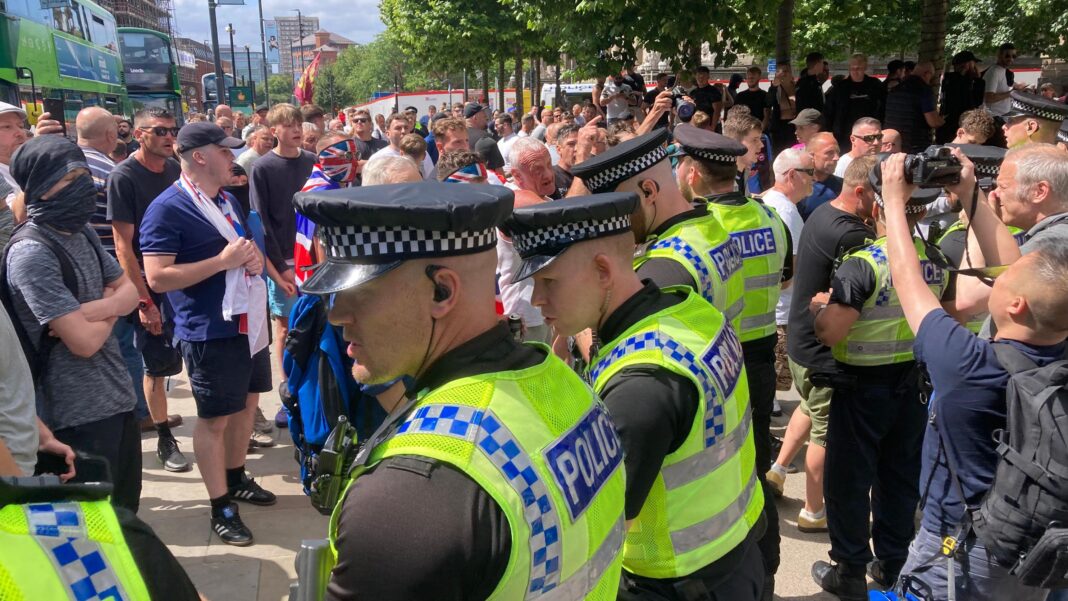
As you can imagine, not all Leeds residents are happy with the decisions of the city council. For this reason, people take to the streets for demonstrations and rallies. For example, on 3 August, around 150 people gathered in Leeds to protest against migration policy, chanting radical slogans. The demonstration was monitored by the police but remained relatively peaceful — in stark contrast to other UK cities, where there were significant clashes with law enforcement and attacks on migrants’ property.
It is worth adding that in the spring of 2025, Leeds also saw numerous rallies in support of Palestine. Notably, a pro-Palestinian student encampment at the University of Leeds led to the cancellation of the 4,000-strong Summer Ball, which became a major talking point in the local media. Protesters demanded that the university sever ties with Israeli research institutions and arms manufacturers. The students’ union reached a compromise by organising a smaller-scale event and refunding ticket holders, which resulted in considerable financial losses for the organisation.
However, if you think protests are merely a 21st-century trend, you would be mistaken. Demonstrations in the 19th and 20th centuries awakened local residents to their rights and their ability to defend them. Workers’ rallies, movements for suffrage, and strikes shaped collective civic attitudes and united different social groups. Protests, in turn, contributed to the emergence and growth of trade unions in Leeds, which played a key role in protecting workers and advancing social guarantees.
For instance, in 1815, following the Napoleonic Wars, mass protests erupted in Leeds and other industrial towns across Northern England against the Corn Laws, which raised tariffs on imported grain and drove up bread prices. These protests were often accompanied by machine-breaking and clashes with authorities as part of the broader Luddite movement. Moreover, in the 1830s and 1840s, Leeds was a stronghold of the Chartists — activists demanding political reform, including universal suffrage and better working conditions. They organised rallies, demonstrations, and strikes, sometimes resulting in confrontations with the police, in their struggle for democratisation. At the beginning of the 20th century, Leeds and the surrounding region witnessed numerous workers’ strikes and trade union protests calling for higher wages, improved working conditions, and stronger social protections — a pattern typical of Britain’s industrial centres at the time.
That’s the story of protests in Leeds. We hope you found this article insightful and that it gave you a deeper understanding of our city’s history.