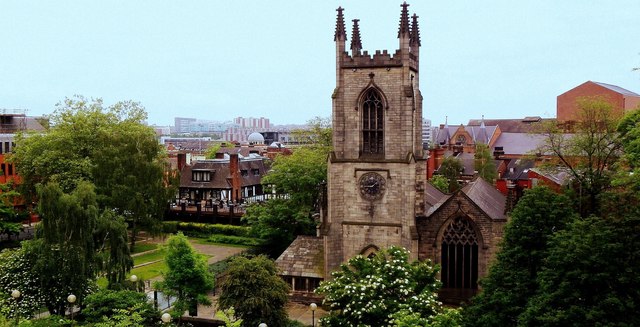

The relationship between church and state is a delicate subject, rarely discussed openly. However, today we have decided to shed more light on this issue. Leeds, as one of the largest cities in England, reflects the broader trends in the relationship between government institutions and the Church in the United Kingdom. It is worth noting that in our city, the official state church is the Church of England. You can read more about this on leedsyes.com.
Historical Context of Church–State Relations
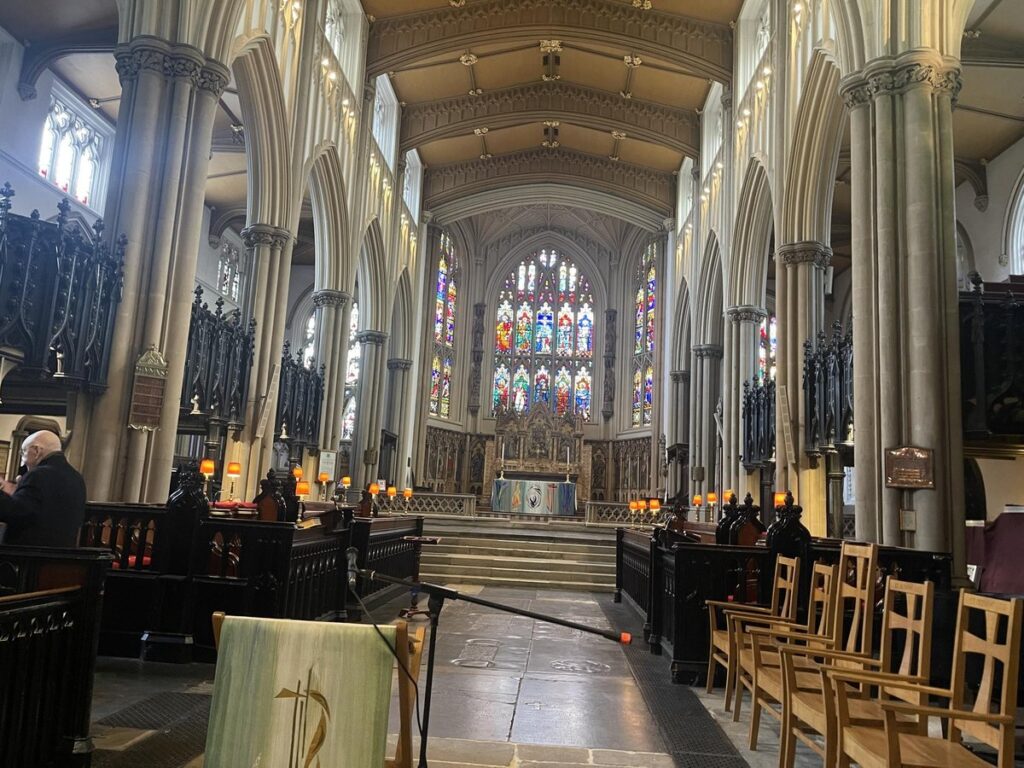
The Church of England is the established church in the United Kingdom. Its influence in society is hard to overestimate, as the Church embodies tradition, spirituality and a range of social functions. Historically, relations between the state and the Church in Leeds have been rooted in the role of the Anglican Church as a state institution.
The origins of the Church of England date back to the 16th century. In 1534, the English Parliament passed the Act of Supremacy, which recognised King Henry VIII as the Supreme Head of the Church. This act effectively severed ties with the Roman Catholic Church and laid the foundations for a long-term integration of ecclesiastical structures into the state system.
In Leeds today, the Church of England maintains numerous parishes. Across the country there are over 16,000 churches and more than 42 cathedrals, which include local places of worship within the city.
Does the Church Cooperate with the Authorities in the 21st Century?
In the modern era, the authorities and the Church in Leeds maintain dialogue and collaborate in areas such as education, social welfare and cultural development. City leaders work closely with representatives of the Anglican and other Christian communities in delivering charitable projects and various programmes.
The Church also operates an extensive educational network, with more than 4,700 schools under its auspices throughout the UK, some of which are in Leeds. These schools play an important role in the spiritual and moral upbringing of young people. Furthermore, the Church in Leeds is actively involved in social initiatives, including support for vulnerable groups and assistance for the homeless. Far from obstructing these efforts, the city authorities actively support them, recognising the positive impact of religious organisations on social stability and community well-being.
Overall, the British state upholds principles of religious tolerance, enabling different denominations to coexist and interact with the authorities on mutually beneficial terms. Consequently, in Leeds, the Church and the state complement one another rather than compete, forming a partnership that serves the interests of the city.
Leeds is home to many notable religious buildings from various periods and architectural styles. For example, Leeds Minster, or the Church of St Peter, is the city’s largest Anglican church, with a rich history and an important artefact – an ancient 10th-century cross.
The city’s main Roman Catholic cathedral, with its early 20th-century Neo-Gothic architecture, is equally impressive, adorned with stunning stained glass and intricate sculptures.
Another remarkable site is the Church of St John the Evangelist – one of the oldest surviving medieval buildings in Leeds. Built in 1634, it features a unique double-aisled design and a beautifully crafted pulpit.
Finally, Kirkstall Abbey, the ruins of a 12th-century Cistercian monastery, is one of the best-preserved monastic sites in Britain. It offers an evocative glimpse into the past and adds to the city’s distinctive historic atmosphere.
These religious landmarks not only reflect the rich spiritual heritage of Leeds but also stand as significant cultural monuments of the city.