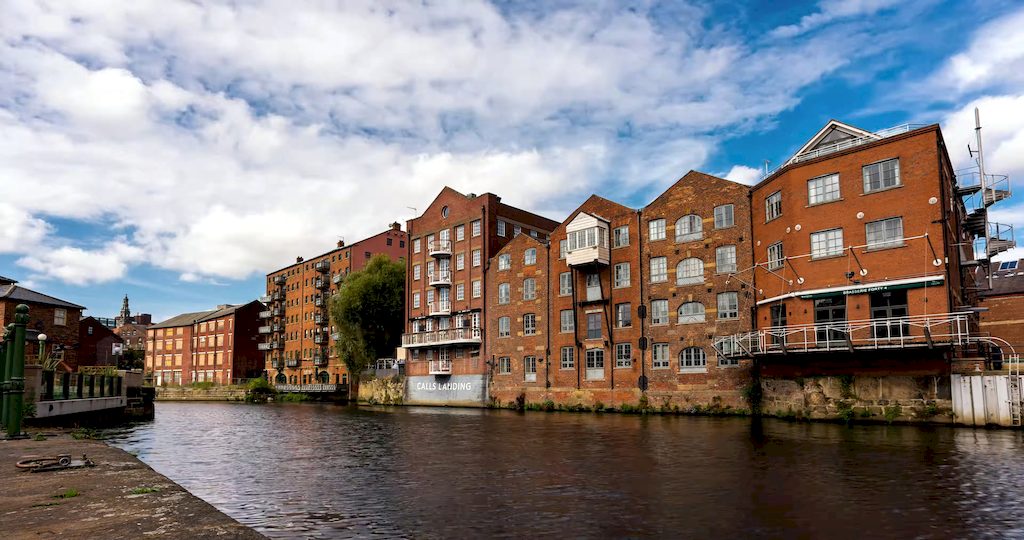

The history of Leeds is as dynamic as it is fascinating. First mentioned in 1086, Leeds gained city status in 1207, setting the stage for its development as a key transport hub in northern England. Like any city, Leeds has relied on political leadership to shape its growth. Today, we focus on George Goodman, recognised as the first mayor of Leeds following the passage of the 1835 Municipal Corporations Act. Next on leedsyes.com.
Early Life and Career
George Goodman was born in Leeds in 1791 into a prosperous family. His father was a wool merchant, ensuring the family enjoyed financial stability. George had one brother and one sister.
Goodman began his career by joining his father’s business, eventually becoming a partner in B. Goodman & Sons. Over time, the business flourished, earning Goodman recognition as a prominent wool stapler in Leeds and Bradford. Expanding his ventures, Goodman acquired other local firms, including Thomas Pearson and Sons, and later became a director of the Leeds and Bradford Railway.

Political Career
In January 1836, George Goodman became the first mayor of Leeds under the Municipal Corporations Act. His leadership evidently impressed the electorate, as he was re-elected in 1847 for a second term, although he served only a few months in that role. In 1850 and 1851, Goodman was elected for third and fourth terms as mayor.
In 1852, Goodman stepped down as mayor to run for Parliament, successfully securing a seat that same year. He later served as a magistrate for the West Riding of Yorkshire and was appointed Deputy Lieutenant.
Goodman’s contributions were further recognised in 1852, when he was knighted at Buckingham Palace. He represented Leeds in the House of Commons for five years but retired due to ill health.
George Goodman never married. Instead, he devoted time to intellectual pursuits as a member of the Leeds Philosophical and Literary Society. On one occasion, he gifted the society 14 exotic birds from Australia.
Goodman passed away near Leeds in 1859, leaving a legacy as a pioneering political leader and a dedicated servant of his city.
The 1835 Municipal Corporations Act
The Municipal Corporations Act 1835 reformed local governance across England and Wales, addressing inefficiencies in urban administration. It followed the parliamentary reforms initiated by Lord Grey’s government, which turned attention to local councils in need of restructuring.
The act reformed 178 boroughs, introducing significant changes, such as:
- Annual elections for corporations,
- Yearly elections for one-third of councillors,
- Biannual selection of aldermen by the council,
- Division of cities into districts for more effective governance.
These reforms ensured local governance was more democratic and responsive to contemporary societal needs.
George Goodman’s tenure as the first mayor of Leeds exemplified dedication and adaptability during a transformative period in the city’s history. Repeatedly entrusted with leadership, he navigated both political and industrial responsibilities with distinction. His legacy serves as a reminder of the importance of accountability and integrity in public office.
We hope this article has provided valuable insights into the life and career of George Goodman, the first mayor of Leeds. What are your thoughts on Leeds’ current leadership? Share your opinions with us on social media – your feedback matters!