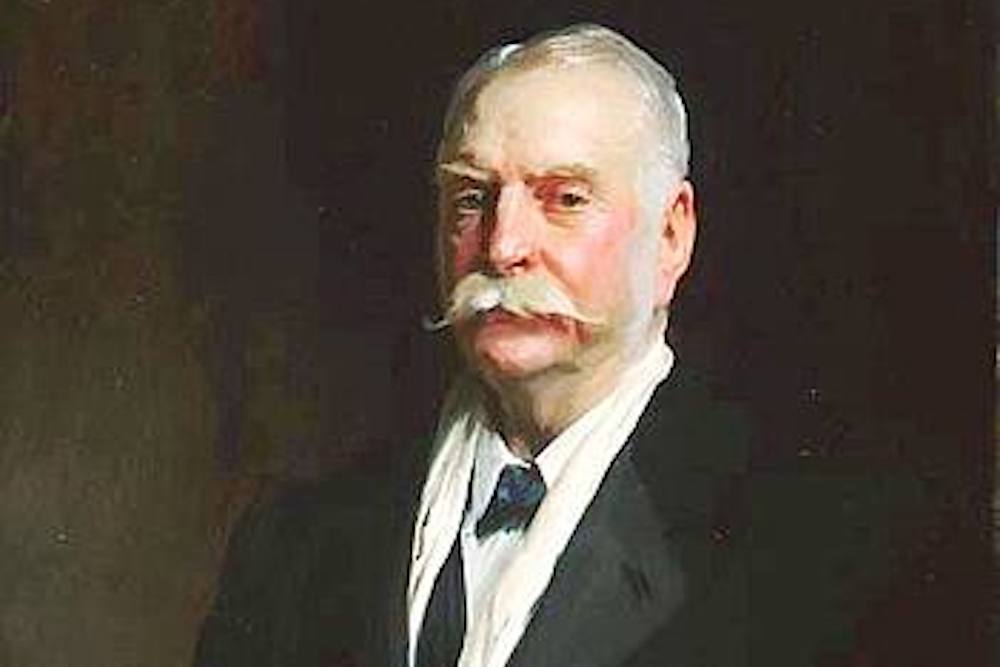

Leeds is a beautiful city with a rich history shaped by the extraordinary people who have lived and worked here. Its modern identity as an economic hub in the United Kingdom was forged through years of growth and development. Many individuals moved to Leeds seeking employment or business opportunities. One such figure was James Kitson, a prominent businessman and politician who left a lasting legacy on the city. Next on leedsyes.com.
Early Life and Career
James Kitson was born in 1835 into a large family. His father, a locomotive manufacturer, founded the company Kitson and Company. James received his education at a school in Wakefield and later attended University College London.
Historical records reveal that Kitson enjoyed a privileged upbringing. At the age of 19, his father purchased the Monk Bridge Ironworks, where James and his elder brother Frederick took on leadership roles. In 1858, the family merged this business with their Airedale Foundry, expanding their operations.
Over time, the business thrived and transitioned into a limited company. Frederick stepped away due to ill health, and their father retired, leaving James in charge. Under his leadership, Airedale Foundry produced nearly 6,000 locomotives and later diversified into stationary engines for agricultural use and steam engines for trams.
In the 1880s, the Monk Bridge plant began steel production. At its peak, Kitson’s businesses employed around 2,000 workers. His contributions to engineering earned him a reputation for excellence. He was a member of the Institution of Mechanical Engineers, served on the council of the Institution of Civil Engineers, and presided over the Iron Trade Association and the Iron and Steel Institute. In 1889, he received the Bessemer Gold Medal.
Political Career
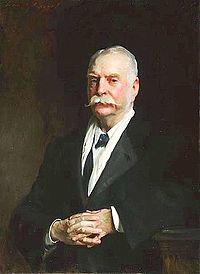
James Kitson’s interests extended beyond business into finance and politics. He was a director of the City and Midland Bank in London, president of the Baku Russian Petroleum Company, and a director of the North Eastern Railway Company. In 1880, he served as president of the Leeds Chamber of Commerce.
Wealth, fame, and influence positioned Kitson for a political career. He became president of the Leeds Liberal Association, managed the election campaign for William Ewart Gladstone, and served on the committee of the Leeds Nursing Institution. In 1892, Kitson was elected as the Member of Parliament for Colne Valley, a role he held for five years. During his time in Parliament, he supported education reforms and Irish self-governance.
Kitson also contributed significantly to the development of Yorkshire College, the predecessor of the University of Leeds.
Though never a member of Leeds City Council, Kitson became the city’s first Lord Mayor in 1896–1897. He was knighted in 1886, becoming Baronet Kitson, and later elevated to Baron Airedale of Gledhow in West Riding, Yorkshire. In 1902, he was appointed Honorary Colonel of the 3rd Battalion of the Prince of Wales’s Own Regiment.
James Kitson’s life as a business leader and politician profoundly influenced the growth and prosperity of Leeds. His contributions to industry, education, and public service cemented his place in the city’s history.
We hope this article has offered valuable insights into the life of James Kitson and the development of Leeds.