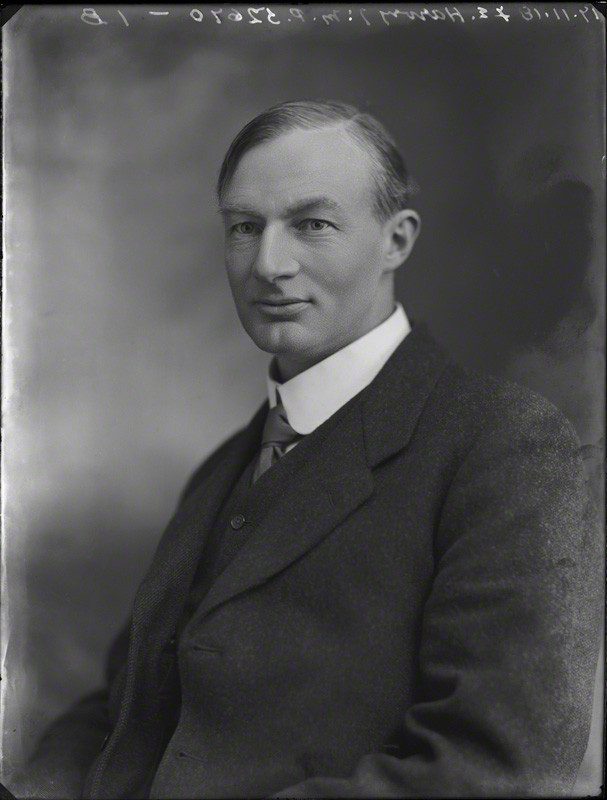

Leeds has been the birthplace of many influential politicians and officials. Numerous individuals have built successful careers beyond the city and even reached the national parliament. Today, we explore the life and political career of renowned politician and social reformer Thomas Edmund Harvey. Learn more about his story on leedsyes.com.
Childhood and Education
Thomas Edmund Harvey was born in Leeds in 1875. His father, William Harvey, served on the Leeds City Council for 13 years and worked as a teacher while also being an art collector.
Harvey received his early education at Bootham School, followed by studies at Yorkshire College in Leeds and Christ Church, Oxford. He further pursued his education at Berlin University and the Sorbonne in Paris, among other institutions abroad.
In 1900, Harvey earned a Master’s degree from Oxford University, followed by an honorary Doctor of Laws degree from the University of Leeds.
Career Development
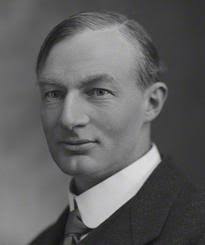
Harvey’s career began in 1900 when he joined the British Museum, where he worked for four years. However, his enduring interest lay in social reform, particularly in combating poverty. He became deputy warden and later warden of Toynbee Hall. In 1906, Harvey joined London’s Central Body, responsible for registering the unemployed and helping them find jobs.
In 1920, he took on the role of warden at the Swarthmore Settlement in Leeds.
Political Career
Harvey began his political career in 1904, representing the Finsbury East district on the London County Council. During his three years there, he served on the education committee. Later, he was elected to the Stepney Borough Council.
In 1910, Harvey ran for the British Parliament in the general elections, representing Leeds West. During his time in Parliament, he served on the Standing Committee for Postal Labour, acted as unpaid private secretary to Ellis Ellis-Griffith KC, and was deputy under-secretary in the Home Office. However, he resigned these roles at the outbreak of World War I.
As a devout and pacifist individual, Harvey sought to prevent Britain from entering the war. When this effort failed, he contributed to drafting a section of the Military Service Act of 1916, which allowed conscientious objectors to refuse military service.
After leaving Parliament in 1918, Harvey returned in 1923 and later moved back to Leeds in 1929.
In 1937, Harvey ran as an Independent Progressive candidate in a by-election for the Combined English Universities seat. In Parliament, he advocated for foreign academics and refugee scholars facing difficulties.
Harvey also served as master of the Guild of St George’s charitable trust and chaired the National Loan Collection Trust.
In 1911, Edmund Harvey married Alice Irene Thompson. He passed away in 1955 in his hometown of Leeds.
Edmund Harvey’s life was marked by his unwavering commitment to implementing reforms aimed at improving the lives of British citizens. His contributions, both as a social reformer and a politician, leave a legacy of dedication to progress and compassion.
Do you support reforms and changes in the country? Share your thoughts in the comments on social media. Your opinion matters to us.