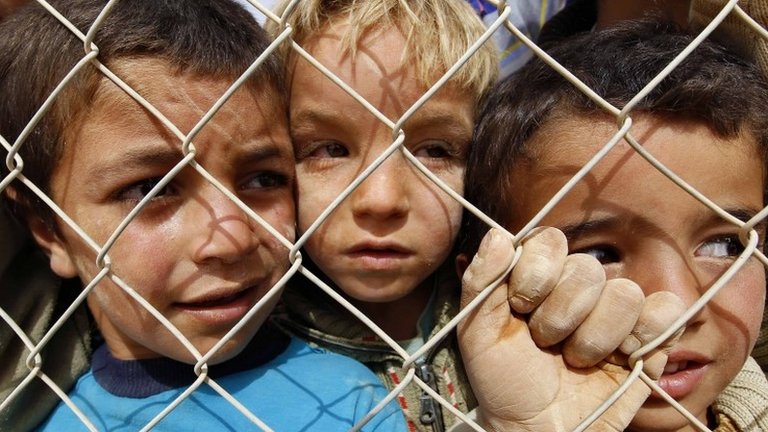

War always brings fear, death, tears, destroyed homes, and shattered lives. It also creates refugees – people forced to flee from conflict. Leeds has long played a vital role in welcoming and integrating refugees and displaced persons. Even during the Second World War, the city took in people who had to leave their homes due to war, political persecution or economic hardship. Today, we will take a closer look at this chapter of Leeds’ history. More on leedsyes.com.
Refugees after the Second World War
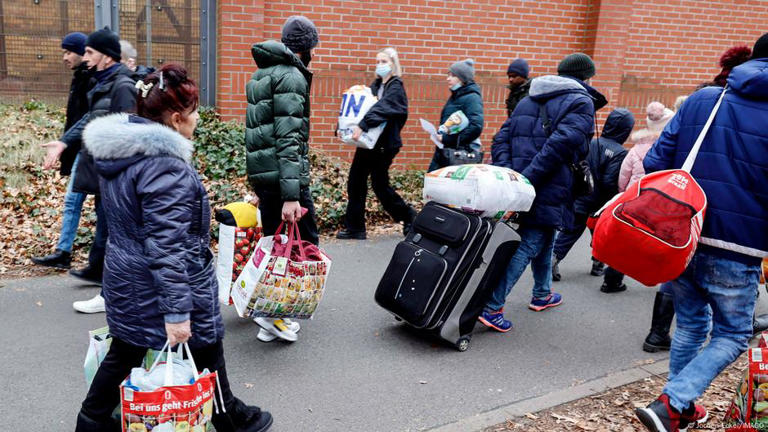
After 1945, Leeds received a significant number of migrants and refugees from across Europe, particularly from Eastern European countries affected by war and occupation. People were seeking safety and new opportunities for a better life. Several thousand refugees settled in Leeds and its surrounding areas.
Local charities, churches, and municipal services played an important role in supporting these newcomers, providing housing, employment opportunities, and social assistance. Leeds also implemented integration programmes that helped many to adapt to local life. In the 1950s, migration increased further, driven by political changes in Europe and post-war resettlement efforts. Later, in the 1960s and 1970s, Leeds became home to immigrants from former British colonies, such as South Asia, which further shaped the city’s demographic and cultural landscape.
War in Europe in the 21st Century
Few could have imagined that in the 21st century, war would break out in the heart of Europe. Yet in 2022, Russia launched a full-scale invasion of Ukraine, forcing millions of Ukrainians to seek refuge abroad. Leeds once again played a key role in providing support, becoming one of the main centres of assistance for Ukrainian refugees.
One of the most important initiatives was the city’s participation in the UK’s Homes for Ukraine scheme, which enabled thousands of Ukrainians to find temporary shelter with host families in Leeds. Under the programme, local residents offered to host refugees in their homes for a minimum of six months. In return, hosts received government payments of between £350 and £500 per month to help cover associated costs. By early 2023, more than 150,000 visas had been issued across the UK under this scheme.
The Leeds City Council, together with numerous community organisations, provided a wide range of social and humanitarian services – including language support, legal advice, assistance with paperwork, help in finding employment, and access to healthcare and education. Dedicated support centres for Ukrainian refugees were opened in the city, offering essential information and guidance to help them adapt to their new circumstances.
Volunteers, charities, and community groups also played a major part, organising fundraising campaigns, and collecting food, clothing, and other essentials. Local businesses supported Ukrainians by creating job opportunities and offering employment services.
As of early 2024, there were more than 200,000 Ukrainian refugees in the United Kingdom, around 108,600 of them living in England.
Both in the past and today, Leeds has been a vital point of refuge and assistance for those fleeing conflict – showing solidarity, compassion, and a strong sense of shared responsibility.
We hope this article has been informative and that you have learned more about our city’s important role in helping those in need.