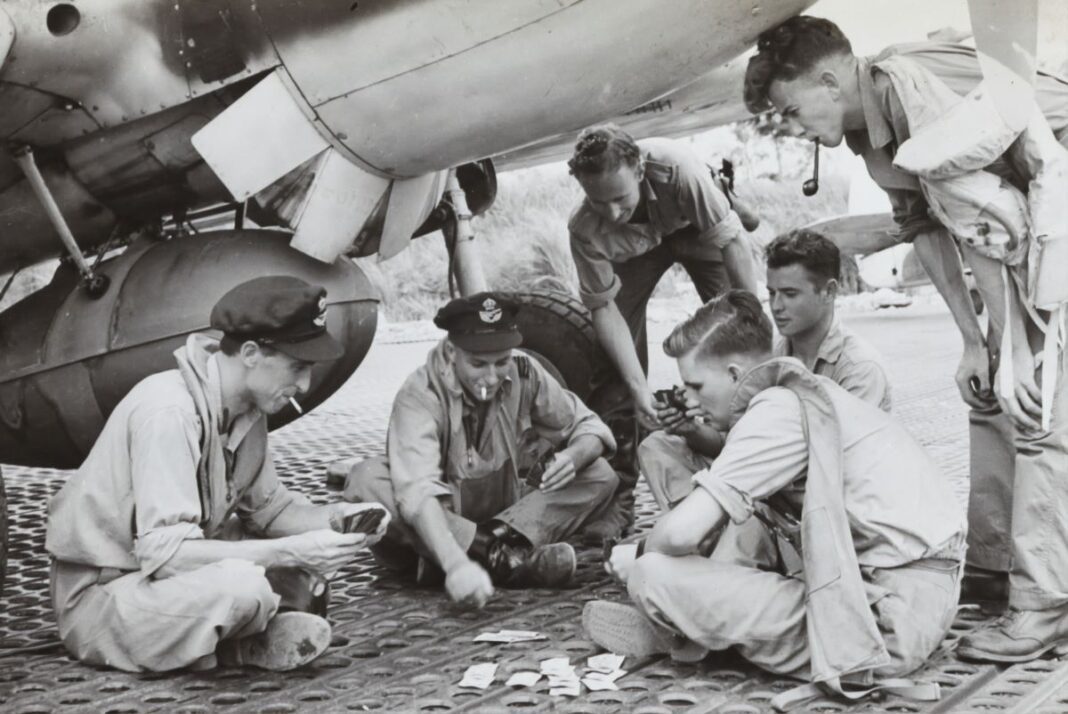

The Second World War was a massive tragedy for many countries, bringing numerous casualties, destruction, and grief to every family. Nations across the globe united to resist the enemy. Like many other industrial cities during the Second World War, Leeds made a significant contribution to the war effort for a common victory. Next on leedsyes.
The city suffered serious damage from German bombers. By the end of the war, over 100,000 men and 10,000 women from Leeds had joined the military. Additionally, the city played a crucial role in supplying arms, despite experiencing a production decline before the conflict began. This is reported on Museumsandgalleries.leeds.gov.uk.
Background and Causes of the Second World War
Historians believe that political contradictions arising from the flawed Versailles system led to the war. The system represented a global order established after the First World War, with new principles of coexistence defined by the Treaty of Versailles. Germany was eager for revenge, and its new leader, Adolf Hitler, promised the nation he would realise its exceptionalism.
Germany was joined by allies such as Japan and Italy, while an opposing coalition of 26 nations, including Britain, fought against them. Britain entered the war almost immediately after it began, declaring its involvement on 3 September 1939.
Life in Leeds During the War
Leeds underwent an extensive reorientation of its industries to meet military needs. For instance, the “Blackburn Aircraft” company used Leeds factories to manufacture military aircraft, while “Vickers Armstrong” supplied 9,000 units of ammunition to the British Army by May 1945.
John Fowler’s engineering company in Hunslet, previously known for agricultural equipment and locomotives, began producing tanks and other military machinery. Clothing manufacturers shifted to producing uniforms for soldiers. Women and girls formed the majority of the workforce in these industries as most men had gone to the frontlines.
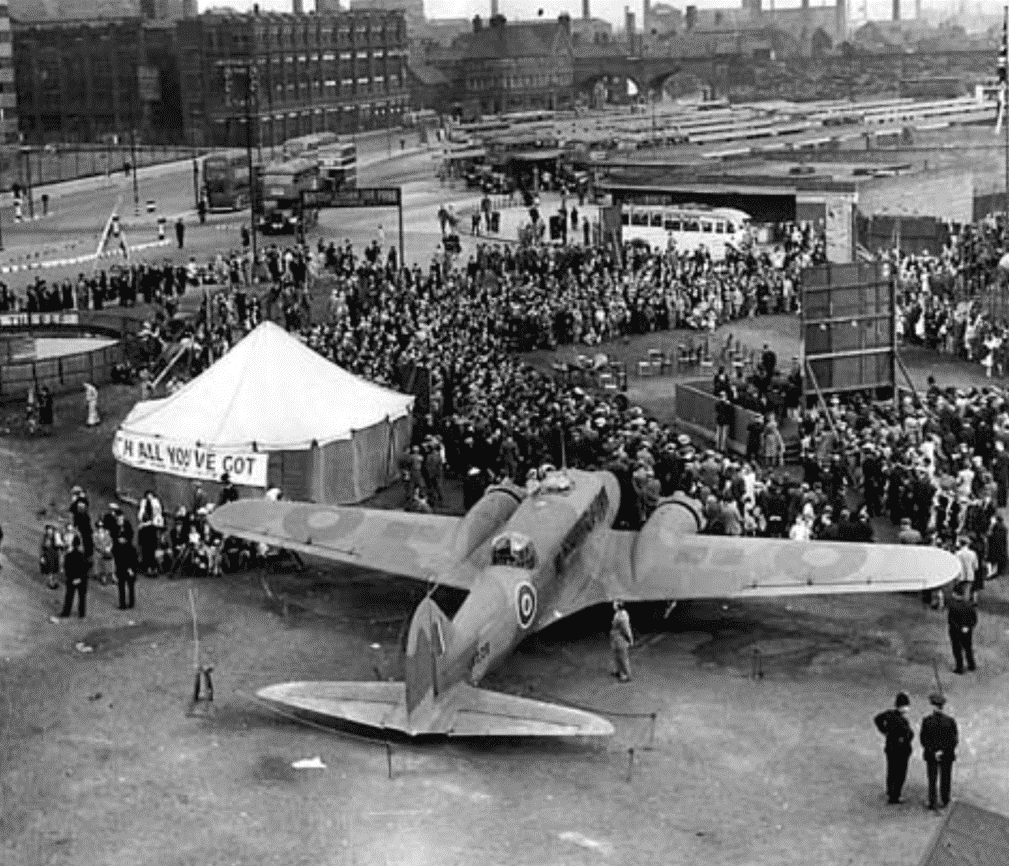
Leeds also led efforts in fundraising, providing financial support to fund arms production. Events like the “Wings for Victory” exhibition, held at the lower part of Eastgate Leeds from 26 June to 3 July 1943, played a key role in raising funds.
Damage Caused by Enemy Attacks on Leeds
Although Leeds had significant industrial importance, the city experienced limited but impactful enemy attacks. Its location on the Pennine fringe, a predominantly rural region, may have reduced its attractiveness as a bombing target.
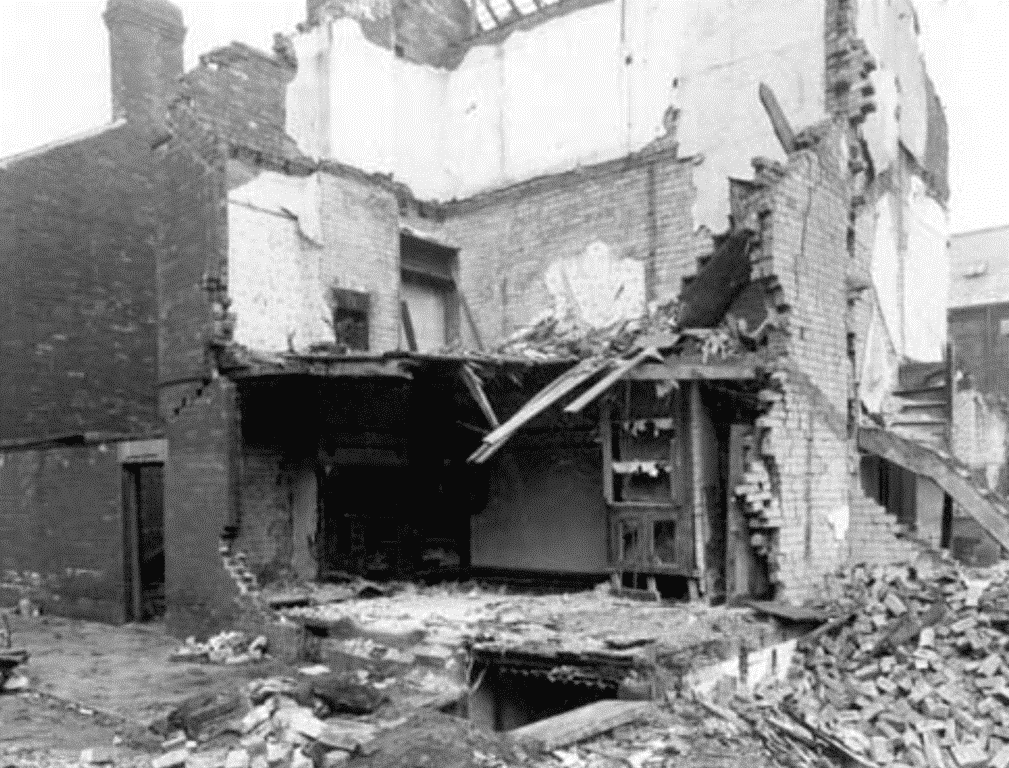
Leeds endured nine enemy raids during the war, with the most devastating occurring in March 1941. During this attack, about 40 German bombers destroyed approximately 200 buildings and damaged thousands more, including Leeds Town Hall, the railway station, and the museum.
The March 1941 raid resulted in the deaths of 65 residents, with a total of 77 lives lost throughout the war. The population lived under constant fear and psychological stress, never knowing when the next raid might happen or how severe the consequences would be.
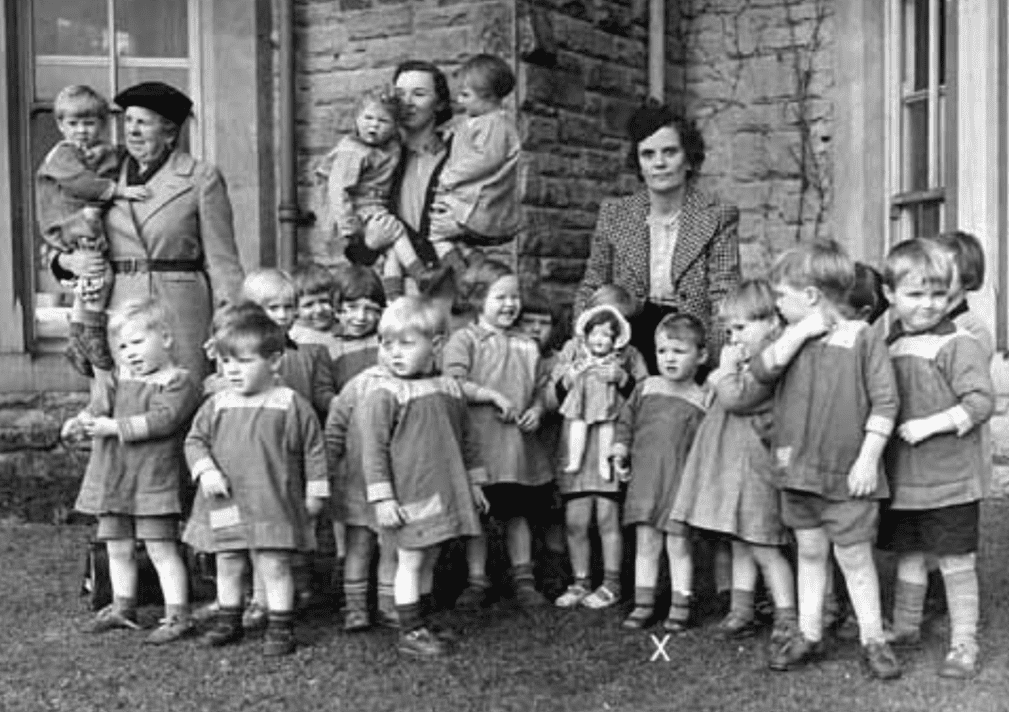
To safeguard civilians, evacuation efforts were organised, and 14,000 indoor air-raid shelters were built. On the first day of the war, 1 September 1939, 18,250 children and 1,450 teachers were evacuated from Leeds on 51 special trains. However, by Christmas of the same year, many evacuees returned, as the Nazi threat was not yet fully realised.
Subsequent evacuation attempts relocated people to nearby areas such as Ilkley. The war left a profound psychological impact on the people of Leeds, but their collective determination and focus on the common goal gave them the strength to endure and ultimately overcome such harrowing attacks.
Despite the disruptions to daily life, the loss of peace, and countless challenges, the residents of Leeds demonstrated resilience, assisting the army in every possible way—donating money and working in military-related industries.
After this trial, the people of Leeds emerged stronger, tougher, and more prepared to face difficulties. The new generations of Leeds, grateful to the soldiers and honouring all participants of the war, preserved the memory of these historical events. Though the witnesses of those turbulent days are becoming fewer, the past remains ever-present, continuing to remind descendants of the great calamity of the 20th century—a disaster born of aggressive imperial ambitions and the pain of humanity.