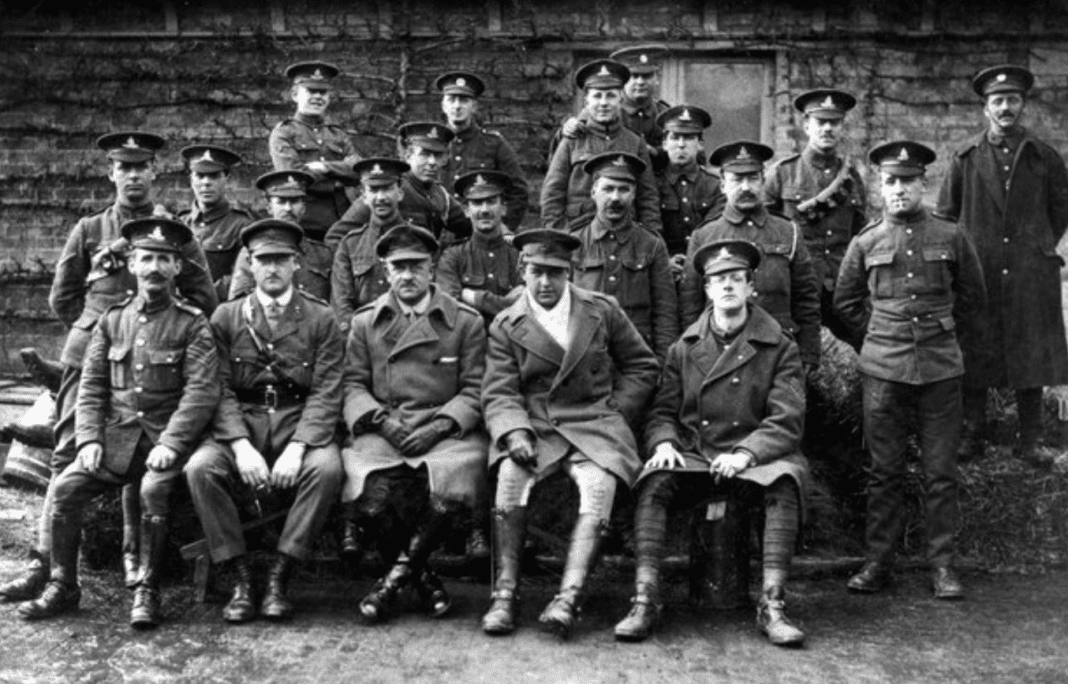

The First World War, which unfolded between the Triple Alliance and the Entente, significantly altered the geopolitical landscape of nations. Empires collapsed, and Europe experienced a wave of national liberation movements. Britain fought on the side of the Entente, alongside the Russian Empire and France. Overall, the large-scale conflict involved the interests of 38 countries with a combined population of over 1.5 billion people. Next on leedsyes.
Leeds, like many other cities, endured significant losses yet heroically contributed to the fight against the enemies. The city actively participated in producing various goods needed for the war effort. In particular, Leeds manufactured textiles essential for making military uniforms.
The city also played a role in aviation technology through the “Blackburn Aircraft Company,” and scientists at the prestigious University of Leeds worked on developing technologies to support the military. This is noted on Leodiscollections.net.
Background and Causes of the First World War
Historians identify several causes for the outbreak of this global conflict. These include:
- Uneven development among European nations and competition for living space,
- Lack of diplomacy and moderation in resolving disputes between states,
- A general trend toward militarisation and strengthening military capabilities,
- Expansionist ambitions of leading nations,
- The so-called arms race.
In essence, the war was a redistribution of the world and spheres of influence. Revolutionary sentiments were growing within empires, exacerbating existing crises and destabilising their positions.
The immediate trigger for the war was the political assassination committed by Serbian nationalist Gavrilo Princip. On 28 June 1914, he killed Archduke Franz Ferdinand of Austria-Hungary and his wife. This event led Austria-Hungary to attack Serbia, gradually pulling other nations into the conflict.
At the time, the participants in the war did not realise it was just the beginning of a series of world wars. Consequently, they referred to it as the “Great War,” emphasising its global scope and brutality.
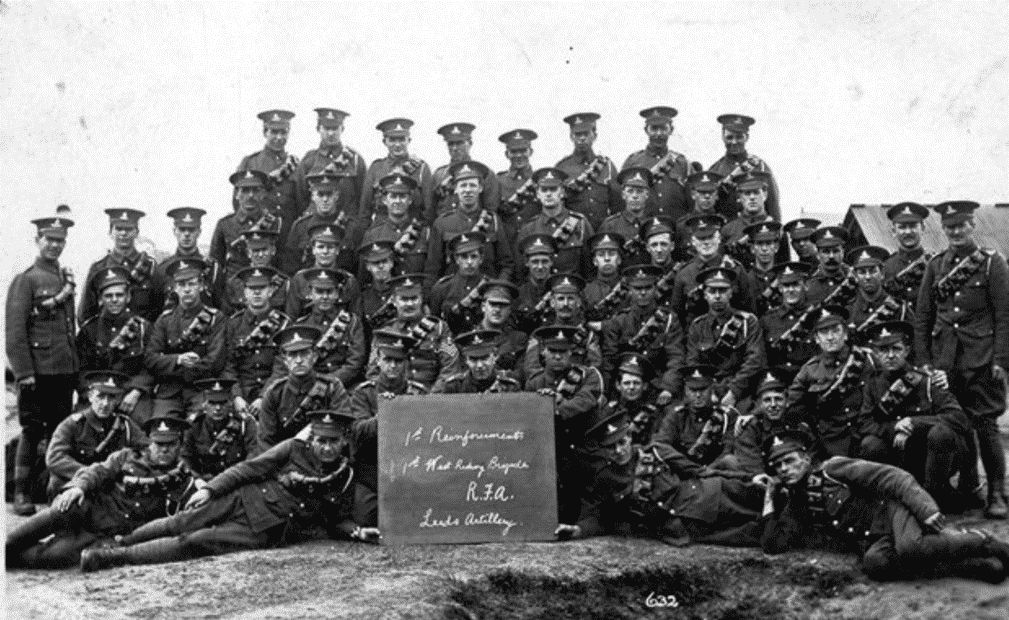
Life in Leeds During the First World War
When war broke out in August 1914, many assumed it would end by Christmas. Few Leeds residents could have predicted the conflict would last for several years. The war became a profoundly bloody affair. Statistics reveal that 74 million men fought on its fronts, with around 10 million killed and another 10 million wounded.
Meanwhile, Leeds contributed to the war effort in various ways. As mentioned earlier, the city supported the military through its industrial output. New facilities, such as the munitions factory in Barnbow, played a critical role in the Allies’ success. Additionally, Leeds sent over 80,000 men to bolster frontline forces.
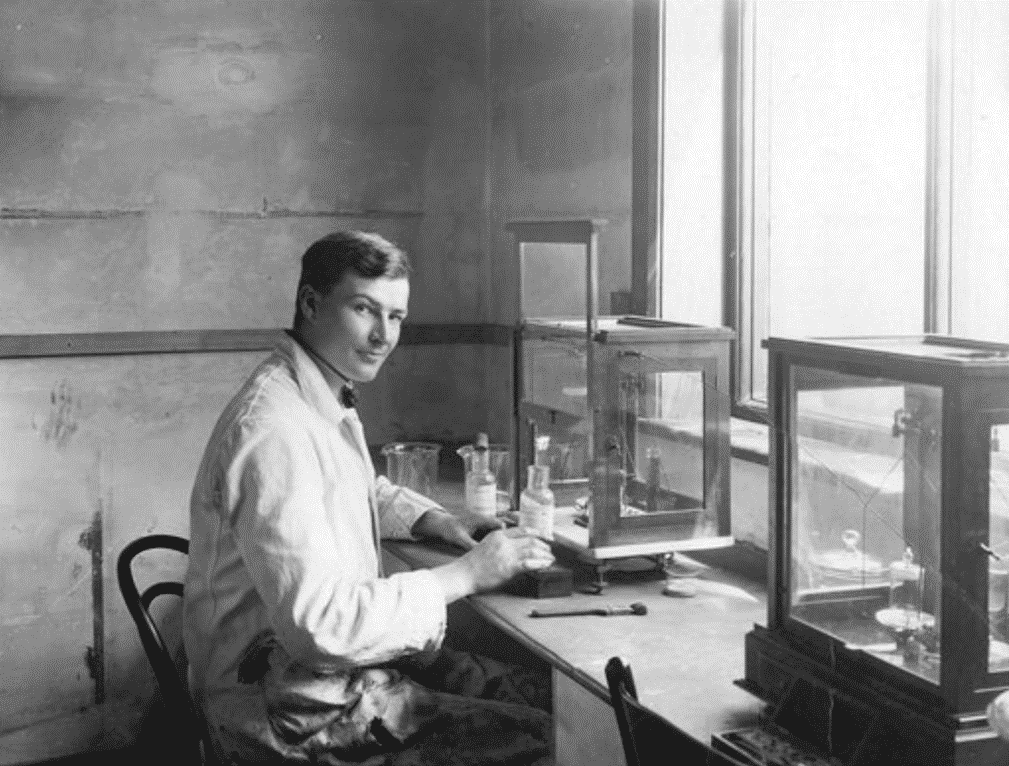
Already a major industrial city, a hub of science and technology, and an educational centre, Leeds withstood the pressures of wartime with resilience. The city demonstrated solidarity and loyalty to national interests, never retreating from its principles or convictions. Coordinated efforts and the determination of its residents enabled significant progress during the conflict.
The Leeds Pals Battalion and Its Role in the War
The “Leeds Pals” battalion was formed in Leeds as part of Kitchener’s Army. Officially named the 1st Leeds Battalion, it also became the 15th Battalion of the Prince of Wales’s Own Regiment. The unit was created in September 1914 by a committee led by Lord Brotherton, politician Francis Martineau Lupton, and his brother Arthur G. Lupton.
The battalion was incorporated into the 93rd Brigade of the 31st Division. In December 1915, its soldiers were deployed to Egypt to protect the Suez Canal from the Ottoman Empire. By March 1916, the battalion had landed in France to join British forces.
There, they participated in the infamous Battle of the Somme. During this offensive, the battalion suffered heavy losses. The unit recorded 24 officers and 504 enlisted men as casualties, including 15 officers and 233 soldiers who were killed. This was a tragic chapter in the history of the First World War but far from the only one in this monumental conflict.
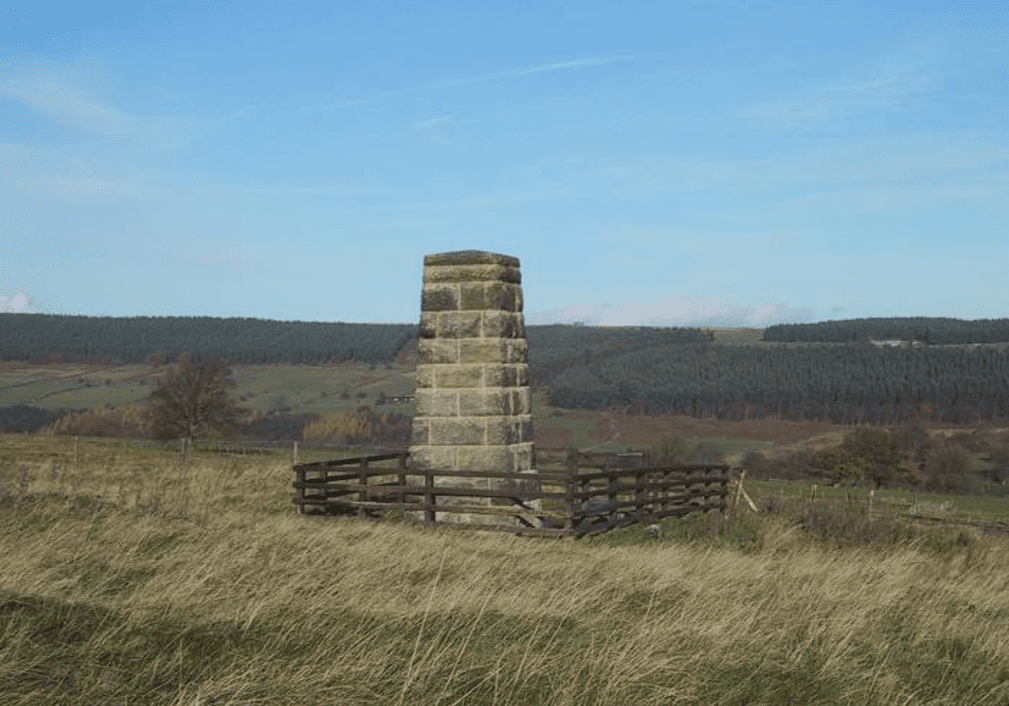
The Leeds Pals Memorial in Colsterdale
The story of Leeds during the First World War is one of heroism, endurance, courage, and unity. It reflects a steadfast commitment to humanitarian principles and the fight for a better future. The war left a bitter legacy in the hearts of its contemporaries. It found expression in literature, cinema, and countless photographs capturing its stark reality. The turbulent years of 1914–1918 initiated a global reshaping, ultimately provoking further conflicts between nations.