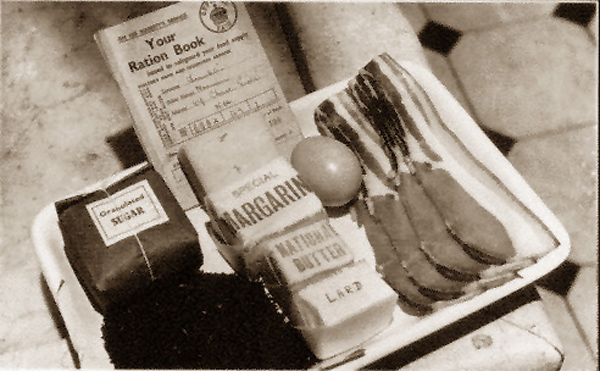

The Second World War changed the lives of more than one generation. War always brings tears, death, blood and anxiety. It is a great tragedy for all humanity, as every day could be your last. During the Second World War, life in Leeds, as in the whole of Britain, changed dramatically. The home front was particularly hard hit, with a sharp reduction in food supplies. Today, we will talk about how the people of Leeds fed themselves during the war. You can read more about this on leedsyes.com.
The Rationing System During the War
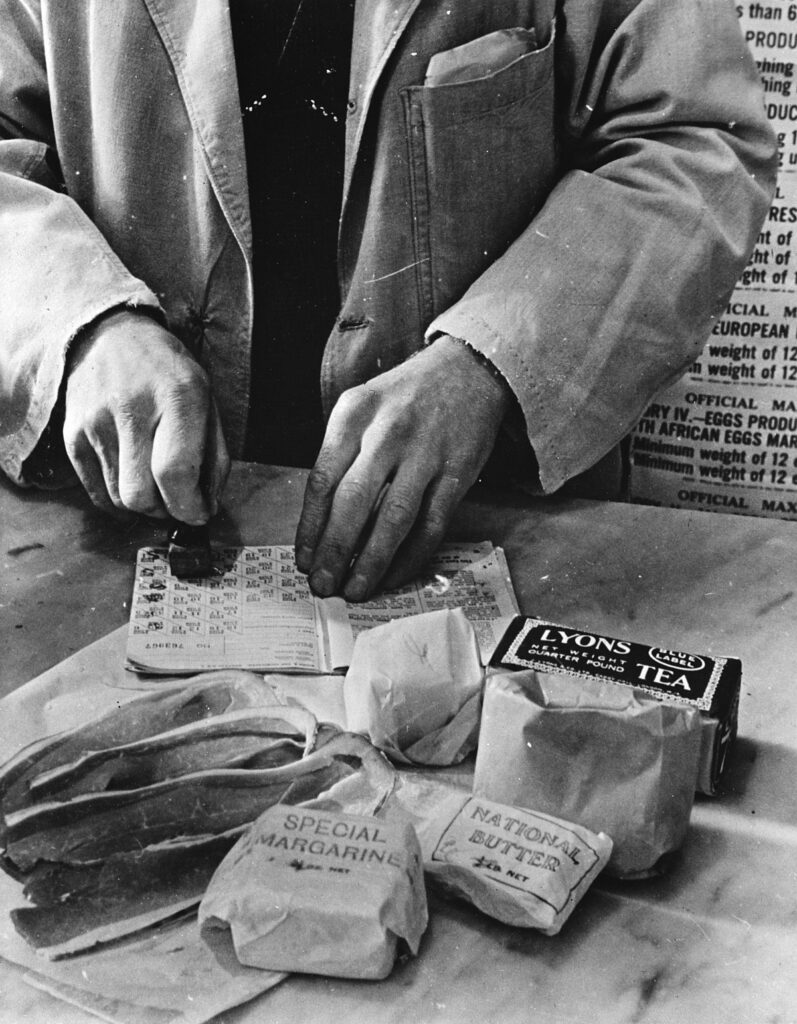
It is well known that during the Second World War Leeds was part of the home front. Our city was not reduced to rubble by the enemy and was never occupied. That said, Leeds did experience a number of enemy air raids. And, of course, its residents felt the impact of war — especially when it came to food.
It should be noted that Britain relied heavily on imported food. At the start of the war, around 70% of cheese, sugar, fruit and significant quantities of grain and meat came from overseas. This dependence became a major problem when German U-boats relentlessly attacked shipping lanes. As a result, in 1940 the British government introduced strict food rationing — the ration card system. Under this scheme, every resident was entitled to a limited quantity of basic goods.
Leeds residents also used ration books, which allowed them to buy strictly limited amounts of meat, butter, sugar, cheese, milk and other essentials. Everyone had to register with a specific shop and could only purchase their rations there.
What Did People in Leeds Eat?
In general, bread and potatoes formed the basis of the Leeds diet. In fact, people were encouraged to bake bread using a higher proportion of rye flour and other substitutes. As for meat, supplies were very restricted — about three ounces a week — and often replaced with pulses and grains.
Vegetables were grown locally, as every available patch of land was turned into an allotment. Dairy products were in short supply, and livestock farming was limited due to feed shortages. Sugar and fats were also strictly rationed.
Leeds, with its agricultural land and strong industrial base, actively supported the “Dig for Victory” campaign. The authorities urged residents to plant vegetables on every spare piece of ground. Local farmers and agricultural producers worked tirelessly to make up for the lack of imported food.
To put it in numbers, food imports dropped by 50–70% during the war, and every shipment became strategically important. The average adult diet provided around 2,500 calories per day, though at times it fell slightly below that. Leeds also organised school and workplace canteens serving cheap, nutritious meals such as porridge and soups.
Shops also changed their range of products. For example, there was a shift in demand towards long-life foods such as grains, flour, sugar, salt and tinned goods. This sometimes caused shortages of these items on shop shelves. As you might expect, purchase limits were imposed on essential goods to prevent panic buying and ensure fair distribution.
This is how the people of Leeds ate during the Second World War. It was an extremely difficult time not only for our city but for the entire country. We hope you found this article informative and that you’ve learned a little more about our city’s history.