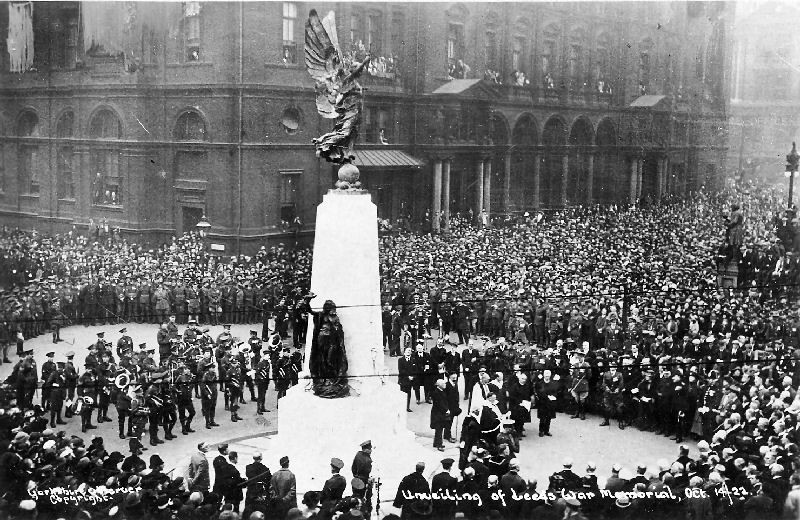

The world has lived through two world wars. These harrowing chapters of history will forever remain in our collective memory, for wars bring nothing but grief and pain. Leeds, too, faced the hardships of war, playing a crucial role in Britain’s military history, particularly during the First and Second World Wars. Thanks to its industrial strength, transport infrastructure and numerous community initiatives, the city became a key hub in supporting the nation’s war effort. Today, we will look at how our city and region endured the two darkest chapters in history – the First and Second World Wars. Read more about this on leedsyes.com.
The First World War
During the First World War, Leeds emerged as an important industrial centre, specialising in textiles, metalwork and engineering, all of which supplied the British Army.
It is worth noting that during this period, the city’s population had grown significantly – from tens of thousands in the 18th century to hundreds of thousands by the early 20th century. This growth enabled Leeds’ economy to sustain wartime demands. During the conflict, tens of thousands of men from Leeds were mobilised, most of them fighting on the Western Front in France and Belgium.
War always brings death… Leeds suffered heavy military losses – over 20,000 residents were killed or went missing. In addition, Leeds’ military hospitals became temporary homes for thousands of wounded soldiers, making an essential contribution to their treatment and rehabilitation.
The Second World War
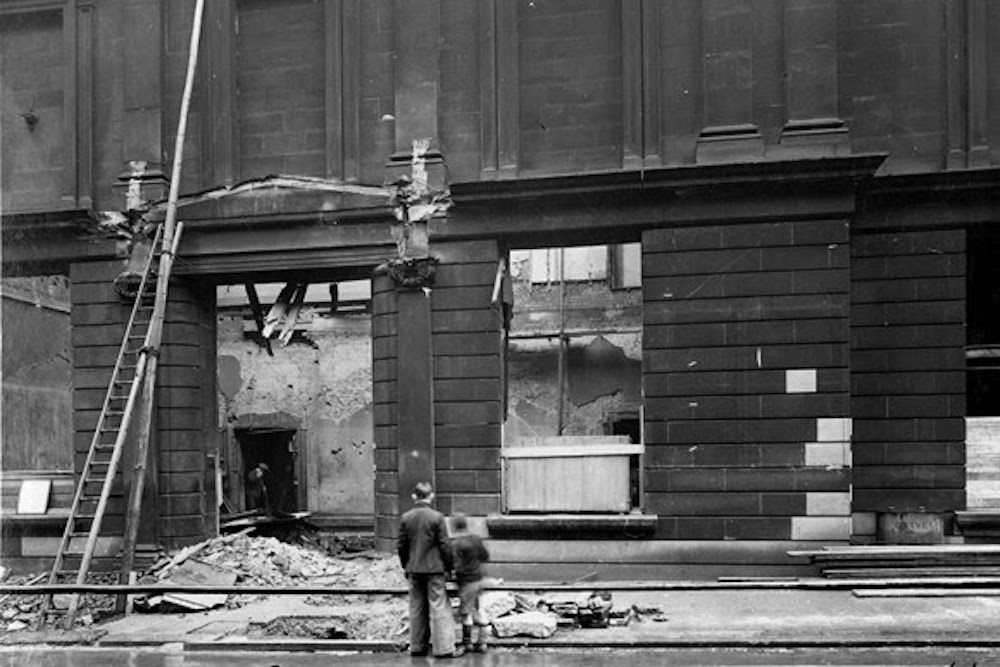
Hardly had the world recovered from the First World War when the Second loomed on the horizon. Leeds faced this new war as one of the country’s leading industrial and transport hubs. However, during the Second World War, the city endured repeated air raids.
The conflict profoundly affected daily life in Leeds, particularly in terms of food, trade and prices. Like other British cities, Leeds introduced rationing and food coupons. Its industry was redirected to serve the war effort, producing military equipment and materials – including under the American Lend-Lease programme, which supplied vast quantities of weapons, food and machinery. Leeds acted as a key hub for transporting these vital resources.
Leeds also played an important role in military training. The city hosted officer training camps and courses, while volunteers and local organisations worked to support servicemen’s families and air raid victims. Wartime initiatives included providing meals for workers and schoolchildren, while residents took part in self-sufficiency campaigns such as Dig for Victory.
The aftermath of war was significant for Leeds. Industrial output declined sharply in the post-war years. For example, in 1951 around half of the economically active population worked in engineering, but by 1971 this figure had dropped to one-third, forcing the city to seek new paths for development. After the war, the Marshall Plan – an American aid programme – provided financial support for infrastructure modernisation, enabling rapid recovery. Post-war reconstruction focused on upgrading utilities, expanding transport links and improving housing, all of which spurred economic growth and urbanisation in Leeds.
This is how Leeds endured two devastating wars. We hope you found this article informative and learned more about the history of our city.