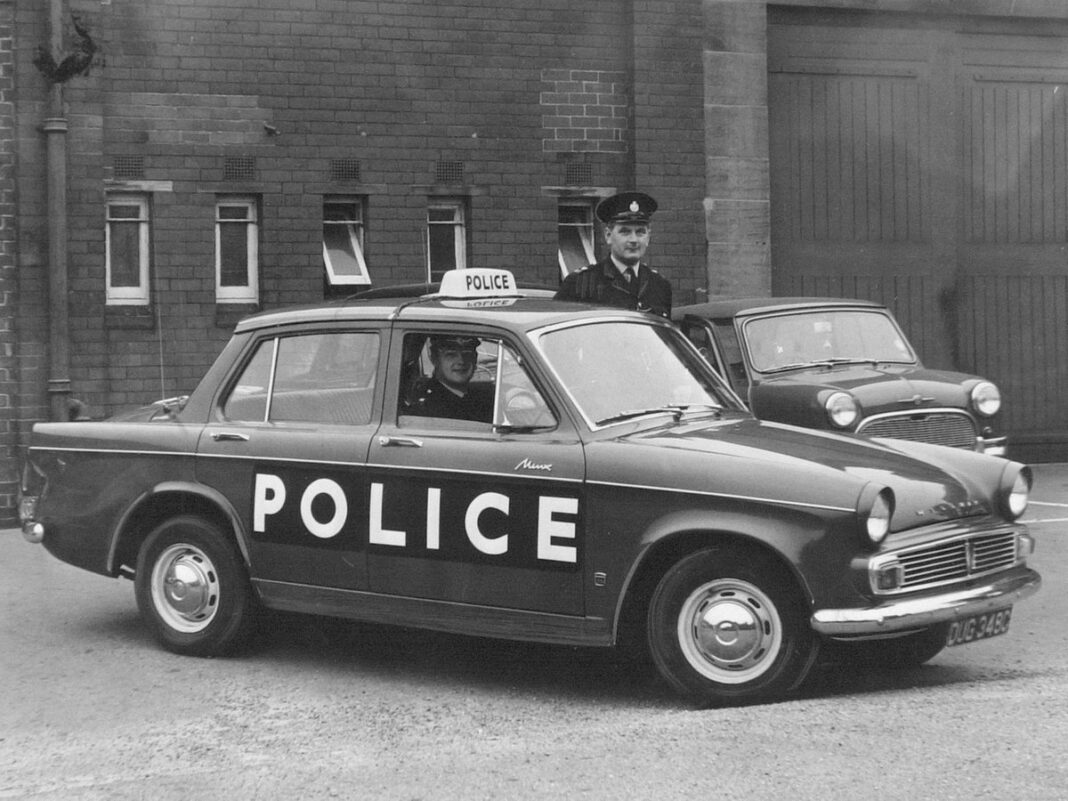

Leeds is one of the largest cities in Northern England. It boasts a rich history and plays a significant role in shaping the country’s economy. The police force has been pivotal in the city’s development, evolving alongside its history over the centuries. Today, we take a closer look at this institution. Read more on leedsyes.com.
The First Police Officers in Leeds
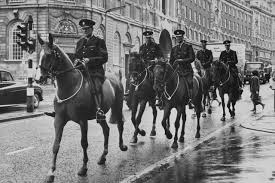
Written records of organised law enforcement in Leeds date back to the mid-19th century. During the rapid industrialisation and population boom, public safety became a pressing issue. To put this in perspective, Leeds had a population of 30,000 in 1801, which had soared to over 200,000 by 1891.
The first night watchmen appeared in Leeds as early as the 18th century. However, a formal police structure was established in 1836 with the creation of Leeds Borough Police.
By 1901, the city’s population had reached 428,000, making Leeds one of the largest cities in the country. The police force grew accordingly—from the initial 30 officers in the 1830s to 1,015 by 1968.
Leeds police were pioneers in the region, introducing bicycle patrol units and later motorised patrols. In fact, motor units for traffic control were launched as early as the 1940s.
The force did far more than just apprehend criminals. Leeds police played an active role during key historical protests: from the Chartist demonstrations of the 19th century to textile workers’ strikes and anti-fascist rallies in the 1930s and 40s. In the last century, officers tackled smuggling, the rise of street gangs, and organised crime. Among the most notorious cases was the investigation into the “Yorkshire Ripper” during the 1970s and 80s.
The Modern Era
In 1974, major reforms were introduced. As part of these changes, Leeds Borough Police was merged into the newly formed West Yorkshire Police. Today, West Yorkshire Police serves over 2.3 million residents across the region, with one of its key departments based in Leeds. As of 2025, the force employs more than 5,200 officers and nearly 3,000 support staff, over 1,000 of whom work directly in Leeds and the surrounding areas.
Each year, Leeds records around 45,000 official incident reports. The most common offences remain theft, anti-social behaviour, and cybercrime.
Notorious Crimes in Leeds
Over the years, Leeds has seen its fair share of crime, including cases that captured public attention. In medieval times, several violent confrontations were linked to political intrigue—for instance, clashes around Leeds Castle during the reign of Queen Isabella in the early 14th century, where guards were killed.
In the 20th century, the city became a focus of investigations into serial killers and organised crime, reflecting the complex social dynamics of a major industrial centre. Leeds has also witnessed incidents of violence with multicultural dimensions, which often prompted both police and community activists to address issues of safety and social integration. Other high-profile cases have involved fraud, theft, and drug trafficking—crimes typical of large British cities with diverse populations.
This is the story of how policing developed in Leeds. We hope you found this article insightful and that it helped you learn more about our city’s fascinating history.