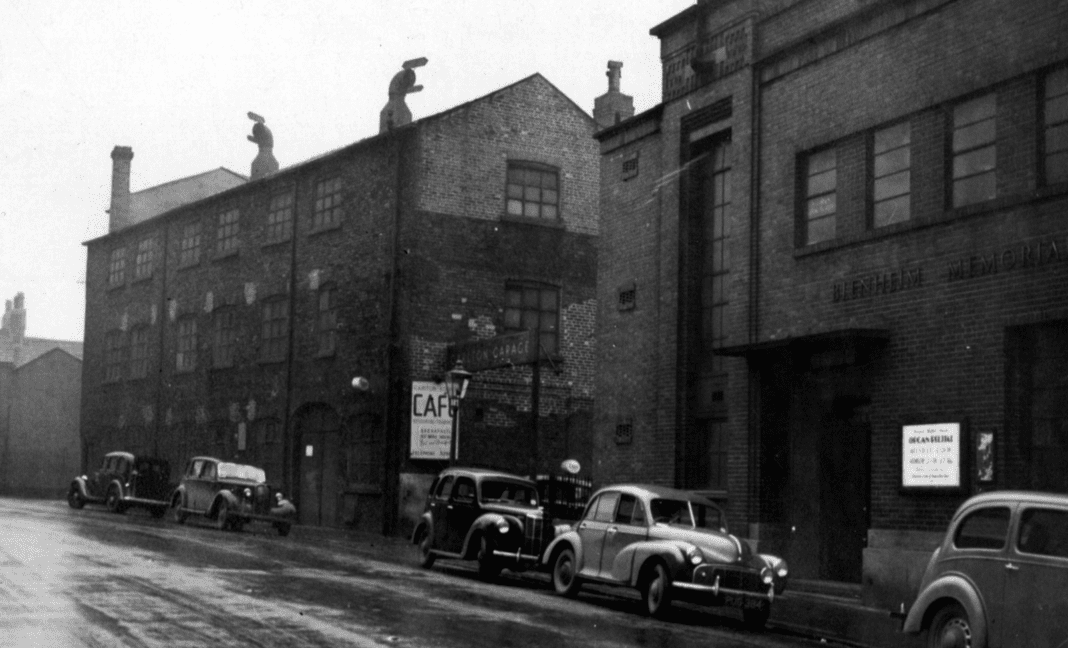

World War II left painful scars and memories that would linger for decades. Europe faced immense destruction and desolation, requiring the first post-war years to rebuild lives and economies. Leeds was no exception, though it fared better than many other cities. Nevertheless, it faced the challenge of recovery and reconstruction. Next on leedsyes.
How Leeds Endured World War II
The United Kingdom entered World War II on 3 September 1939, initially underestimating the severity of the Nazi threat. Leeds quickly adapted to wartime needs, shifting its industries to support the military. The city’s factories produced goods for the war effort, and its residents contributed financially through donations. Over 100,000 men and 10,000 women from Leeds participated in the armed forces. Yorkshireeveningpost.co.uk.
Despite nine air raids targeting Leeds, the city avoided the widespread devastation seen elsewhere. However, significant buildings, including the Town Hall, railway station, and museum, sustained damage. The largest bombing occurred on the night of 14–15 March 1941, killing 65 people and destroying 100 buildings. In total, 77 civilians lost their lives during the war.
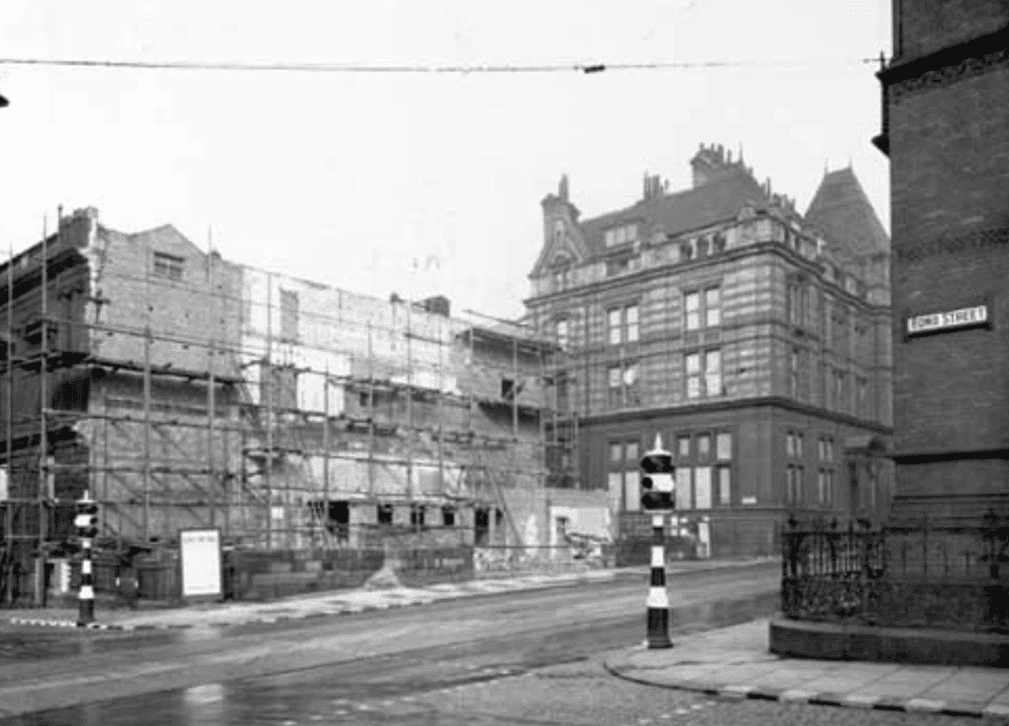
Leeds Central Library During the War
Libraries, as centres of knowledge and culture, played a crucial role even during wartime. The Leeds Central Library faced challenges, as interest in books and publishing initially declined. By 1940, the total circulation of books had dropped to 3,360,312, a decrease of 482,914 volumes. Over time, however, interest in reading resurged, particularly in serious and technical literature related to warfare.
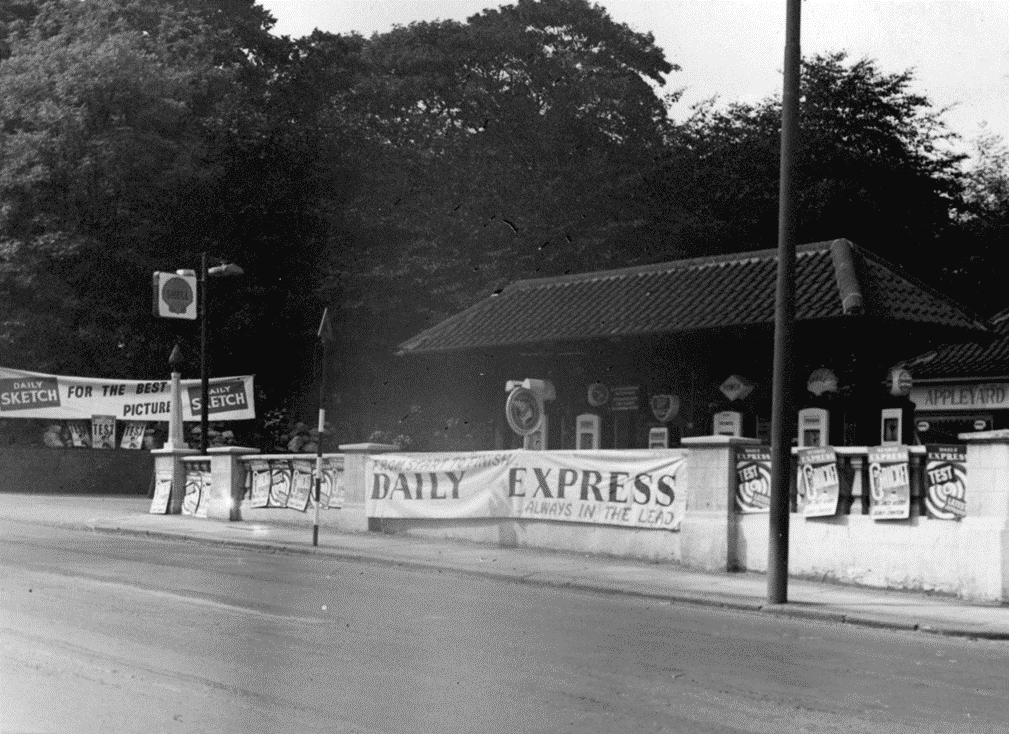
By 1942, specialists noted a growing demand for substantial works and technical manuals. This reflected the population’s heightened anxiety and desire for practical knowledge amidst wartime uncertainty. Leeds fared relatively well, experiencing only one major air raid. Still, the bombing left deep emotional scars on residents.
The war complicated library operations, delaying the binding of books from weeks to months and requiring constant replenishment of worn-out volumes.
With the war’s end and the defeat of Nazi forces, Leeds began shaping its future. The 1950s ushered in an era of stability and gradual prosperity. Prices were relatively low, and the city’s population grew rapidly. The post-war baby boom marked this period, leading to a generation referred to as “boomers.”
In the 1950s, analysts highlighted the affordability of services, such as sending a letter for just two pence. Residents led active social lives, frequently attending churches and pubs. Villages in the region gradually transformed into urban areas, and urbanisation became unstoppable.
Demographically, Leeds remained heavily influenced by Christian values. Families were typically traditional, with strong familial bonds and low divorce rates. Patriarchal norms predominated, with an emphasis on caring for elderly relatives and raising children in stable homes.
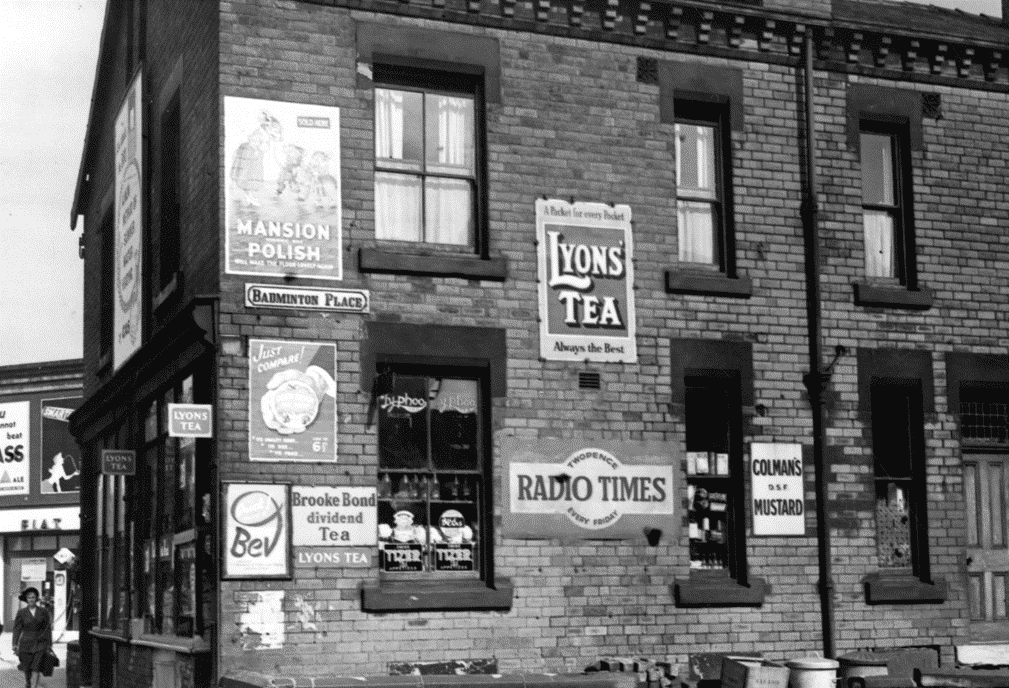
Walking through Leeds in the 1950s, one would see large advertising signs, well-maintained parks, and increasing numbers of cars. The city’s prosperity steadily grew, with industries shifting from wartime production to everyday consumer goods.
The 1950s were marked by relative abundance and stability. New jobs were created for Leeds residents and newcomers alike. Having endured the hardships of war, Leeds recovered swiftly, capitalising on its resilience and reclaiming its status as a leading city in Britain.