
War is a terrible ordeal that has repeatedly befallen the fate of mankind throughout its history. It disrupts the normal and calm rhythm of life but shouldn’t stop it. Therefore, in wartime, people always tried to preserve their usual routine and things that were dear to them in peacetime. Education is such a thing. Without it, they wouldn’t be able to raise a new generation, which had to restore and build society anew after the victory. Learn more at leedsyes.
Leeds suffered from several serious bombings during the Second World War, which caused the most terrible consequences for the city. At that time, bomb shelters were actively being built in Leeds to save residents from Nazi attacks. As Babel.ua notes, adults tried to protect their descendants and did everything possible to save the future of the nation. It also applied to Leeds.
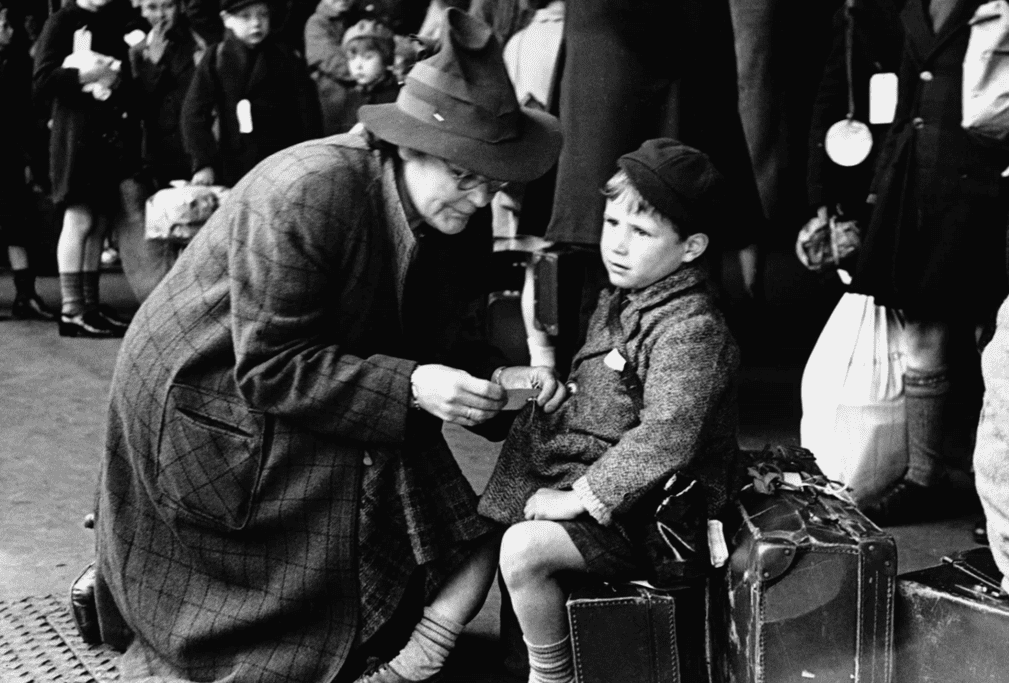
Evacuation took place in Leeds as early as September 1, 1939, when the threat of war became apparent. Then 18,250 children and 1,450 teachers left Leeds on 51 special trains bound for such destinations as the Yorkshire Dales. However, by Christmas, many Leeds residents had returned to the city as the situation seemed to have stabilised and all the warnings were in vain.
What was the evacuation of children in wartime conditions?
The UK’s campaign to remove children to safe areas was the best organised. Its preparation began in the summer of 1938. It was decided that evacuation should be at the will of the British to avoid panic among the population. At that time, a luggage tag with the name of the evacuee, the name of the school and the names of the accompanying persons was attached to each child’s coat or suitcase.
The measures to save the children were so well organised that the little Britons didn’t feel fear but perceived everything as an adventure. In total, there were three waves of evacuation. The second occurred in the summer of 1940 when Great Britain was already suffering from German bombing. The third one took place in June 1944 when the German invaders bombarded British territory with ballistic missiles. It lasted until September of the same year.
Difficulties faced by children and teachers during the war
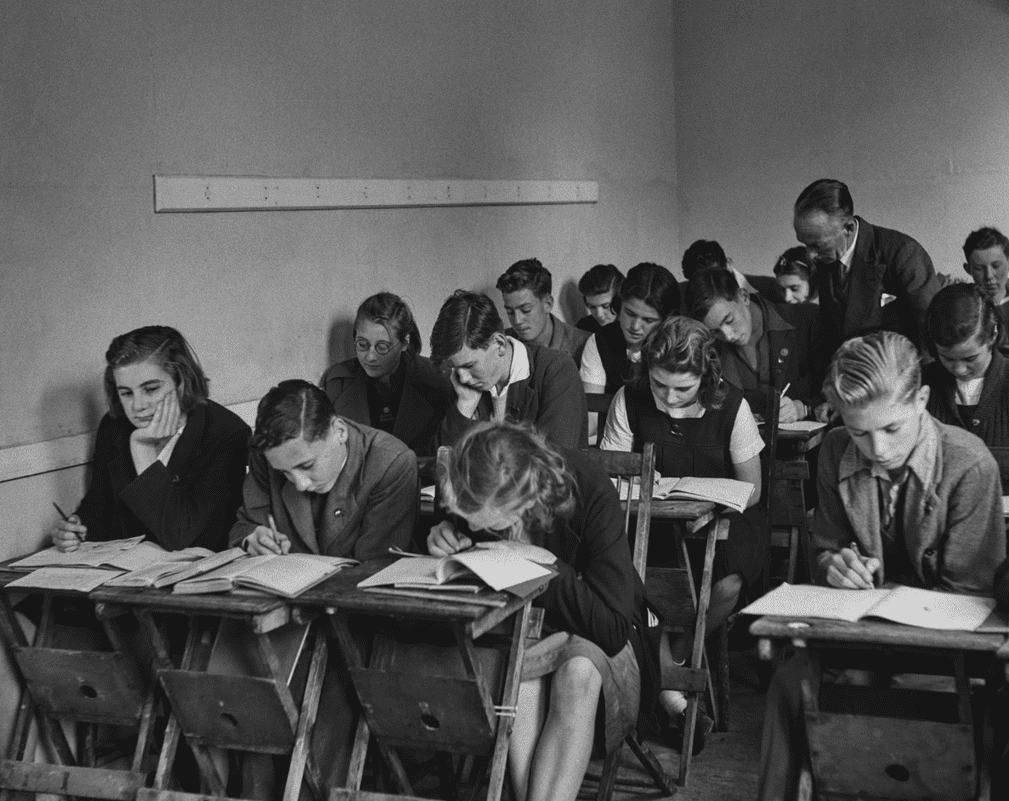
In addition to the constant danger of bombings or their consequences, children and adults experienced a shortage of suitable educational facilities. School buildings were destroyed and it was common practice to use school premises as barracks for the military or to house the headquarters of the Civil Security Service.
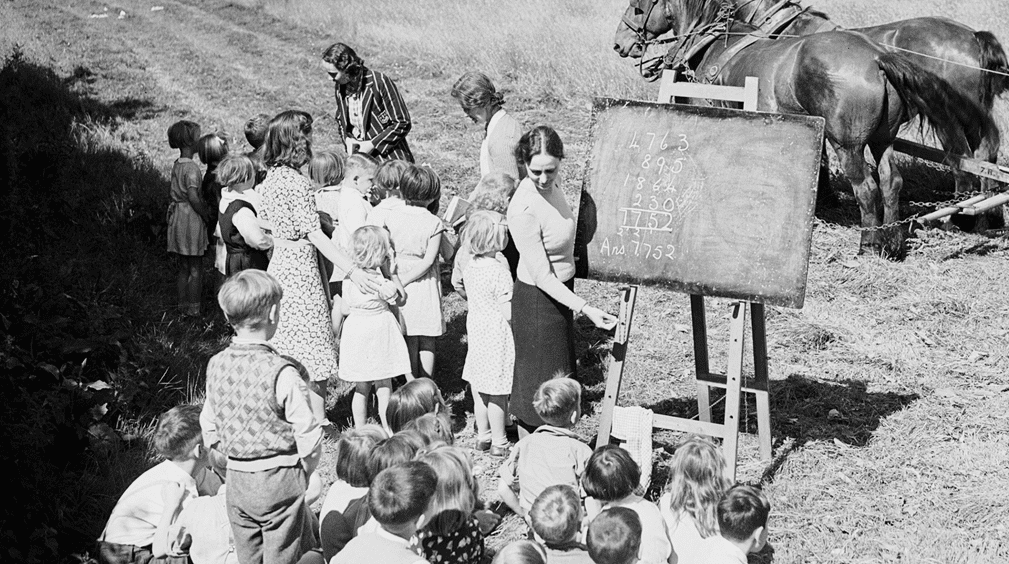
In order to provide children with education, two, three or even four shifts were introduced. However, even that didn’t ease the situation significantly. Buildings that previously had a completely different purpose, such as churches, bars and various warehouses, were arranged for holding lessons. In addition, classes took place in shelters, especially if there was a threat of enemy raids. In the warm season, children could study outdoors.
There was also a shortage of teachers, as many male teachers became military men. As a result, thousands of British schoolchildren were left without the opportunity to get an education. Children from low-income British families were affected the most. Schoolchildren were deprived of a normal medical service and a sufficient diet. Therefore, morbidity among them increased. Many of the teenagers became juvenile delinquents.
How did the school curriculum change during the war?
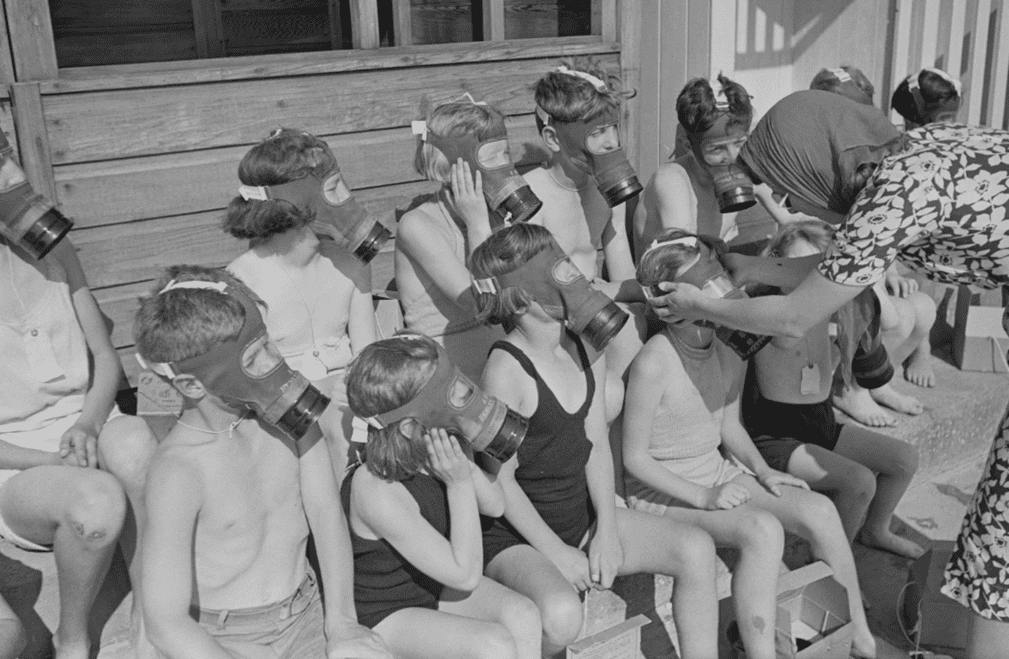
The system and essence of education changed quite a bit. New disciplines were introduced while existing ones were reformed. For example, the patriotic upbringing of youth has been significantly strengthened. Much attention was also paid to physical education and military training of future adults. Schoolchildren learned skills that they might need in an extreme situation, practised providing first aid, as well as studied history and geography profoundly.
The labour lessons were also of great importance. Boys learned to work with wood and metal, to process these materials, while girls learned to weave and sew clothes. In extracurricular time, young people worked for society. They collected scrap metal, paper and rags for recycling, helped adults on farms and even worked in factories. Children grew up early and realised all the burden and responsibility placed on their young shoulders. The main task was to direct all efforts to victory over the enemy.
The children of Leeds grew up in that restless and terrible time. Mastering the skills of survival and struggle, they became equal to the elders at industrial enterprises and made their significant contribution to the common cause. Schoolchildren were evacuated in large numbers and had to adapt to new difficult conditions. However, such an ordeal didn’t break them. Even in difficult wartime, children remained children and were happy with the simple things around them. The disaster of the 1940s hardened all of Europe and Britain was no exception. The country brought up a new generation of strong and powerful citizens, real patriots and heroes.