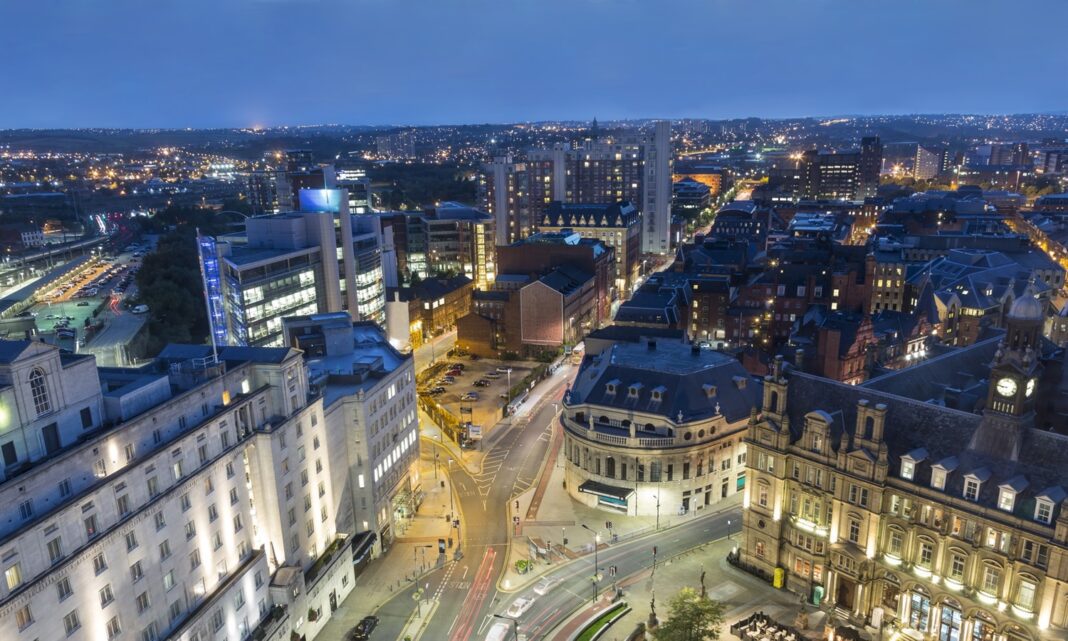

Leeds City Council is the local governing body of Leeds in West Yorkshire. It is hard to imagine the modern city without this public authority, which is responsible for numerous local government services, including education, housing, planning, transport and highways, social services, libraries, leisure and recreation, waste collection and disposal, and environmental protection. Today, we will explore the history and evolution of this vital institution. For more details, visit leedsyes.com.
The History of Leeds: How It All Began
Initially, Leeds was a manor that gradually grew into a town. In 1626, Leeds received its charter from King Charles I, granting the town self-governance. This led to the establishment of the Leeds Corporation to manage the town. The corporation’s first leader was alderman Sir John Savile. In 1661, King Charles II issued a second charter, which granted the title of mayor to Thomas Danby.
In 1836, Leeds underwent reforms and became a municipal borough under the Municipal Corporations Act 1835. Later, Leeds was declared a county borough, making it independent of the newly created West Riding County Council. In 1893, Leeds was officially granted city status, and the corporation was renamed the City Council. At the same time, the mayoralty was elevated to Lord Mayor.
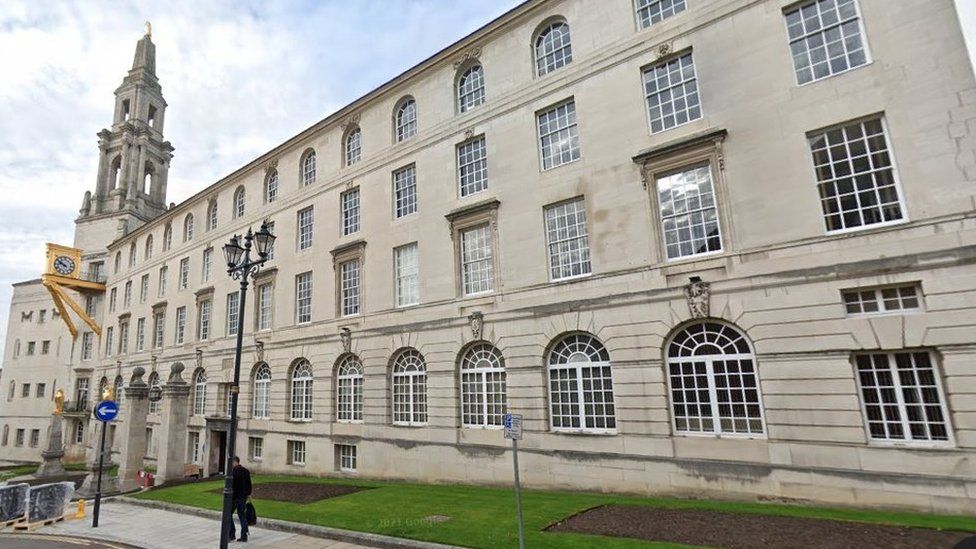
Leeds City Council: From Establishment to the Present
The modern Leeds City Council was established in 1974, with the first elections held in 1973. Until 1986, the council functioned as a second-tier authority. After metropolitan county councils were abolished, Leeds City Council assumed full responsibility for all former county council functions.
Today, Leeds City Council provides a wide range of services:
Education
In 2001, the council established Education Leeds, a non-profit organisation owned by the council. This public-private partnership between the council and Capita operated until 2011. Although Education Leeds no longer exists, educational services in the city continue to be delivered.
Housing
Housing management is overseen by Belle Isle Tenant Management Organisation, which administers over 2,000 properties. It is the largest tenant management organisation in the UK outside London.
Museums and Galleries
Leeds Museums & Galleries, the council’s museum service, is the largest of its kind in England. Established in 1821, it is now funded by the council and operates nine different sites across the city.
Waste Disposal and Recycling
Leeds has several waste disposal and recycling plants located in Kirkstall, Meanwood, Middleton, Otley, Pudsey, Seacroft, Wetherby, and Yeadon.
Additionally, the council is responsible for transport and highways, social services, libraries, and environmental protection.
Leadership: The Lord Mayor and the Leader
Leeds’ political life features the ceremonial, non-partisan role of the Lord Mayor, who is elected annually by council members. The Lord Mayor serves as the chair of the council and represents the city at events both locally and beyond.
The council is also governed by the executive authority of the leader and cabinet. Since 2021, James Lewis has served as the council leader.
A Council for the People
This history of Leeds City Council highlights its role in shaping and managing the city. It is noteworthy that Leeds City Council is the second-largest council by population in the United Kingdom. We hope this material has been informative and has provided a deeper understanding of your city.
Are you satisfied with the work of Leeds City Council? Share your thoughts on social media—we value your opinion.