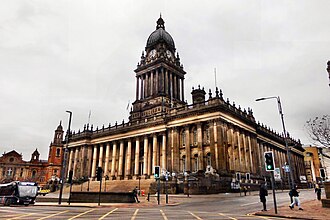

Every city has its own political history that has influenced its future development. In the case of Leeds, its political history reflects the city’s evolution as one of the most important industrial and cultural centers in the United Kingdom. Today, we take a deeper look into this topic — find out more on leedsyes.com.
Political Life in Leeds in the Past
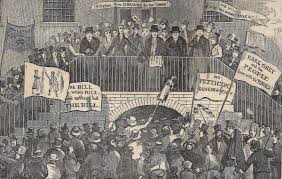
As we’ve written before, the first recorded mention of Leeds dates back to 1086 in the Domesday Book. By 1207, the city had been granted market status, marking the beginning of its economic growth. Thanks to its strategic location, Leeds quickly became a key transport hub in northern England.
During the Industrial Revolution of the 18th and 19th centuries, Leeds developed into a leading center of the textile industry. Its population grew from around 10,000 at the end of the 17th century to 150,000 by 1840. Along with this population boom came significant infrastructure improvements: the construction of the Leeds–Liverpool Canal (1774–1816) and the opening of the railway in 1848. By the 19th century, nearly half of England’s exports passed through Leeds. It was in this context that the city’s political life began to take shape. With Leeds playing an increasingly vital role in both the economic and political arenas of the country and Europe, various political forces began competing for influence.
The Rise of Political Movements and More
In the 17th century, Leeds was the site of conflict during the English Civil War. By the 19th century, the growing working class helped drive the rise of political movements — including the labor and suffragist movements. The granting of voting rights to women in 1918 and 1928 expanded civic participation and reshaped the political landscape of the city. Leeds became one of the centers of the struggle for both women’s suffrage and workers’ rights.
Over the years, with reforms and economic changes, Leeds continued to play a vital role in British politics. After the Second World War, the city’s industrial activity began to decline. However, with significant investment in financial and legal sectors, Leeds transformed into the UK’s second-largest financial center after London.
Political Life in the Modern Era
Today, Leeds has a population of over 760,000 and a well-developed political structure with active citizen involvement in local government. It is one of the largest cities in the UK, making it an important political, economic, and cultural center in the West Yorkshire region.
The city is also known for its diversity and strong education sector — home to five universities and several colleges, attracting around 60,000 students each year. This creates a dynamic youth community that actively influences the city’s political life.
Political power in Leeds is represented by the City Council, where major UK parties are active — particularly the Labour Party, which traditionally holds strong influence in the region. The Conservative Party and the Liberal Democrats also play key roles. In addition, smaller and independent parties, such as the Green Party — which focuses on environmental issues — are also part of the political scene in Leeds.
Politics is an essential part of every city and nation, shaped over years — even centuries. The political life of Leeds has been influenced by various national and economic developments. Yet the city has remained an important economic and financial center into the modern day. This shows that the region’s politics have long been aimed at development and prosperity.
We hope you found this article insightful and that it helped you learn more about your hometown.