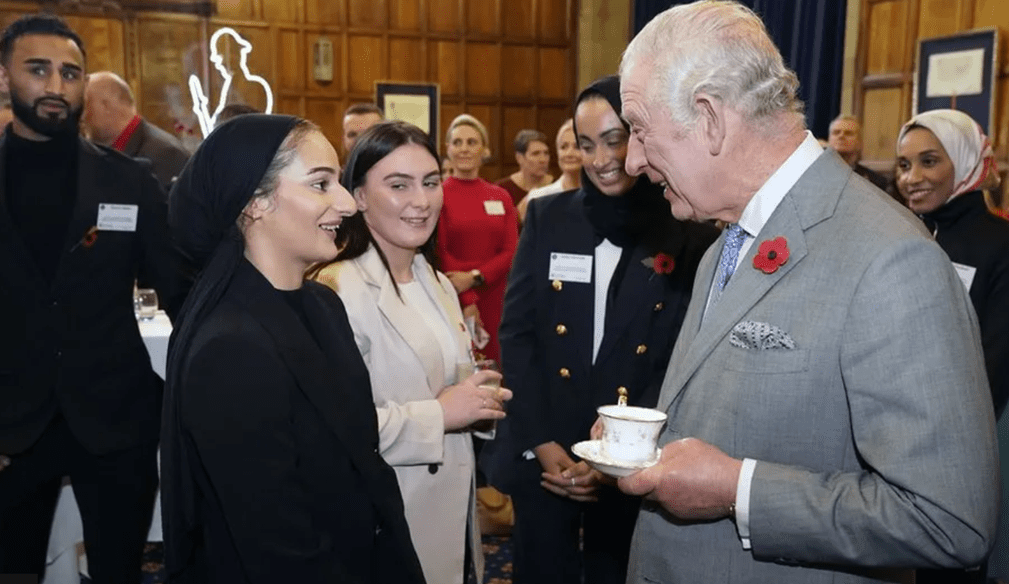

Throughout history, Leeds has been visited by members of the British royal family, as recorded by historians in archives. These visits were memorable events that left a lasting impact on the city’s development. Royal guests were received with great pomp, lavish receptions were organised, and efforts were made to present Leeds in the best possible light. These visits often led to positive changes in the city, and the residents fondly recalled these royal encounters. More details are available on leedsyes.com.
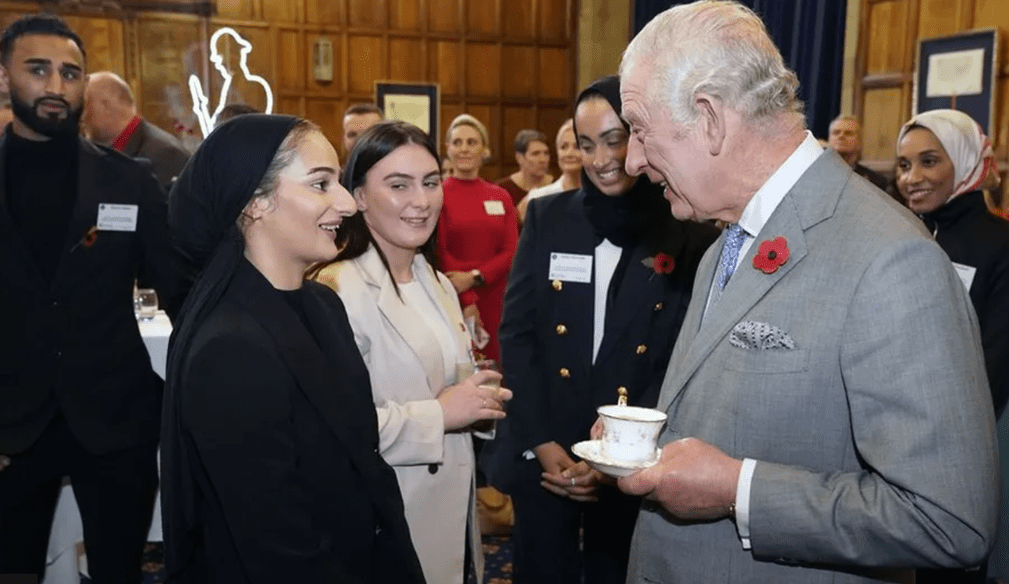
King Charles III’s Visit to Leeds in 2022
In November 2022, King Charles III visited Leeds shortly after ascending the throne following the death of his mother, Queen Elizabeth II. Queen Elizabeth, who reigned for over 70 years, remains one of the longest-serving monarchs in British history. Determined to fulfil his duties despite his personal loss, Charles embarked on a series of official visits to British cities, including Leeds.
The king’s two-day visit to Yorkshire began on 8 November 2022, with stops in Leeds and Bradford, as reported by BBC.com. In Leeds, the monarch visited the city’s Central Library and Art Gallery.
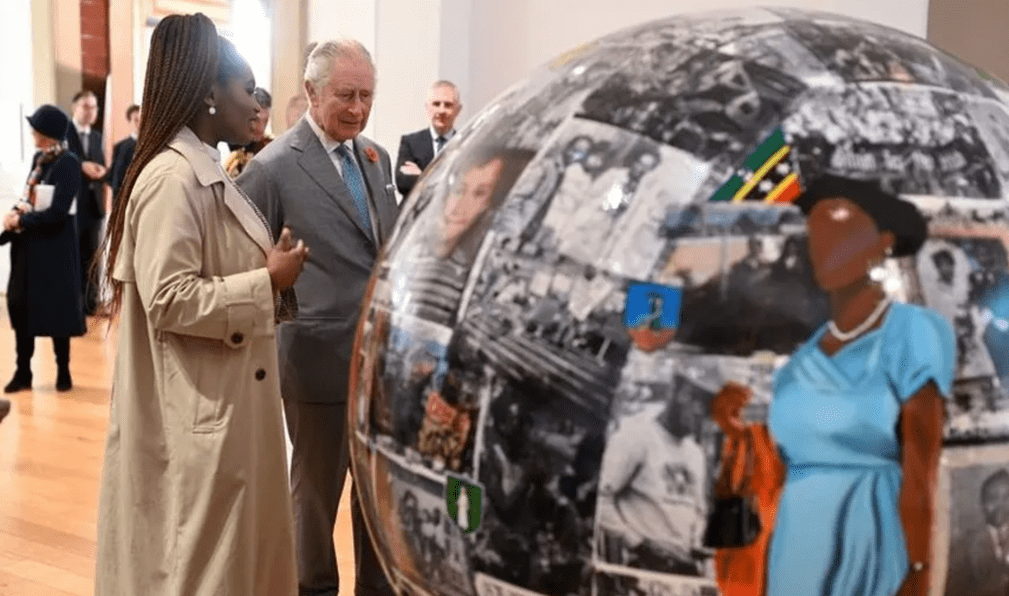
During his time at the Art Gallery, Charles viewed the Worlds Reimagined Globes project, which focused on Britain’s role in the transatlantic slave trade. The king engaged in a conversation with Fiona Compton, an artist and historian from Saint Lucia. Compton explained the resistance of enslaved women, including their use of poison, as depicted in her project The Palace of the Peacock. Her background as the daughter of Saint Lucia’s prime minister provided her with a deep understanding of the subject.
King Charles agreed that Britain’s involvement in slavery should not be hidden and acknowledged the importance of recognising this history. However, he clarified that discussions should not revolve around reparations.
During his visit, Charles also met representatives of the Child Friendly Leeds initiative, which aims to make the city more welcoming for families and young people. He unveiled a plaque commemorating the 10th anniversary of this programme, initially launched by Queen Elizabeth II.
The visit to Yorkshire marked Charles III’s first official trip to the region as monarch. Large crowds of Leeds residents turned out to greet the king, while journalists meticulously documented every aspect of his visit.
Past Royal Visits to Leeds
Leeds has hosted royal visits in the past, leaving detailed records and photographs. These occasions attracted significant attention from the press and the public.
King Edward VII’s Visit to Leeds in 1908
On 7 July 1908, King Edward VII visited Leeds to inaugurate a new university building. Four years earlier, on 5 April 1904, he signed the royal charter granting Yorkshire College university status, leading to the establishment of the University of Leeds.
As reported by The Yorkshire Post, Leeds had never looked so festive. Flags and garlands adorned the streets, and floral decorations were abundant. Crowds gathered at the railway station to welcome the royal train, and extra security was provided by 1,600 additional police officers. The station was lavishly decorated, and a crimson carpet was laid along the arrival platform.
King George and Queen Mary’s Visit to Leeds in 1933
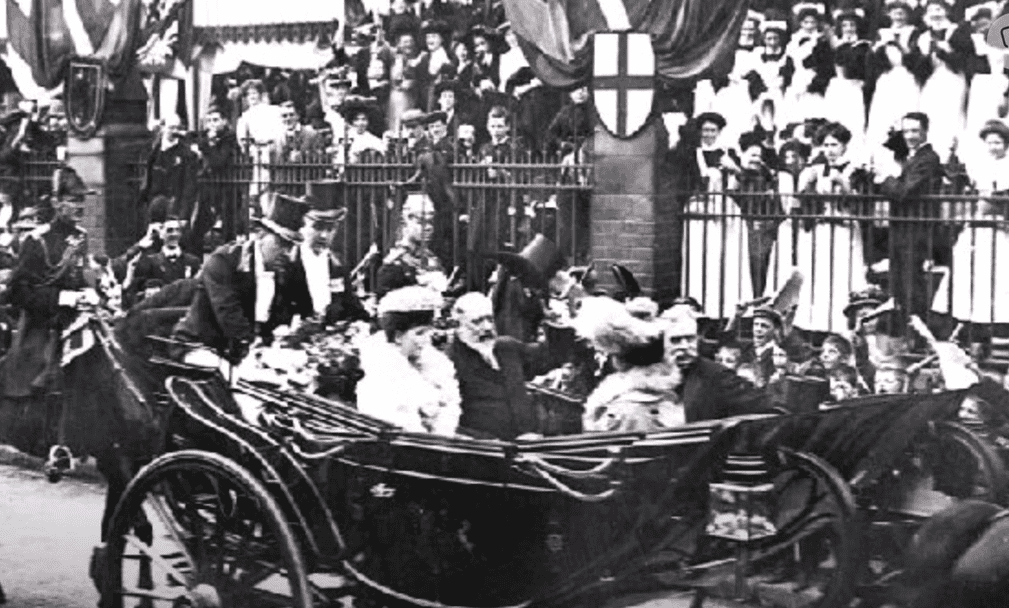
In 1933, King George V and Queen Mary visited Leeds. The royal procession travelled from Oakwood to the Town Hall, where the king inspected a guard of honour in Victoria Square. After a brief ceremony in Victoria Hall, the royals proceeded to Civic Hall. They also visited Harewood House and inaugurated the new Civic Hall.
The event drew record crowds from across Yorkshire. The procession, featuring an open carriage escorted by mounted guards, was a spectacular sight.
Royal visits to Leeds have always been vibrant and memorable events, extensively covered by journalists and preserved in historical archives. These visits not only strengthened ties between the monarchy and the city but also contributed to Leeds’ growth and development. They offered future generations a glimpse into the city’s history, politics, and social evolution, while serving as milestones for new achievements in the city’s progress.