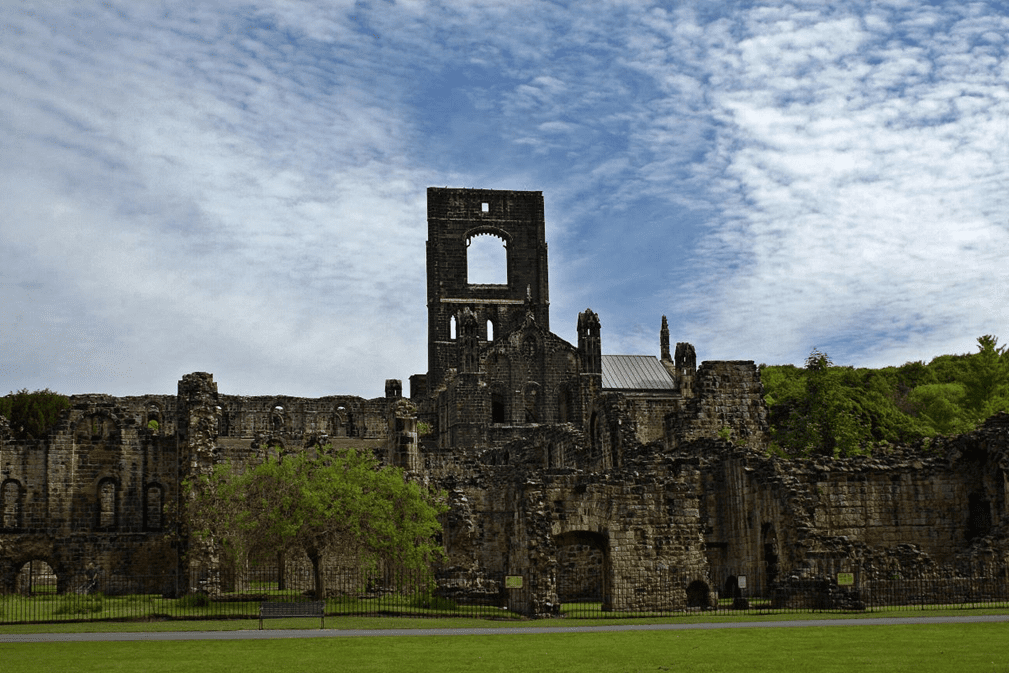

Leeds is a vibrant metropolis with a rich and fascinating history, full of remarkable events. For instance, archaeologists discovered ancient hippopotamus bones here, dating back approximately 130,000 years. This significant find occurred in 1851 when workers digging clay at a brick field in Wortley stumbled upon something extraordinary. More details can be found on leedsyes.com.
Scientists concluded that these large northern hippos perished during the last interglacial period. Their remains were preserved and displayed at the Leeds City Museum, highlighting their immense scientific value.
Leeds began as a Saxon settlement in the medieval period, as noted on Localhistories.org. The city grew rapidly and consistently prospered, earning its place as one of the leading cities in the United Kingdom. Its history is marked by many significant events, some of which deserve special focus for those interested in delving deeper into Leeds’ past. Localhistories.org.
Leeds in the 17th Century: Civil War and Plague
In 1642, the English Civil War erupted between the monarchy and Parliament. Most citizens supported the king, and royalist forces occupied Leeds. However, in January 1643, Parliamentarian troops captured the city.
Early in the war, Leeds housed a royalist garrison commanded by Sir William Savile, consisting of 500 cavalry and 1,500 infantry. On 23 January 1643, Sir Thomas Fairfax led 3,000 Parliamentarian troops in an assault against Savile’s forces. Fairfax captured around 500 soldiers but released them on the condition that they never take up arms against Parliament again.
Parliamentarian troops held Leeds until the summer of 1643, when they were forced to retreat after a defeat in Yorkshire. They returned in April 1644 and retained control of the city until the Civil War ended.

The Plague in Leeds
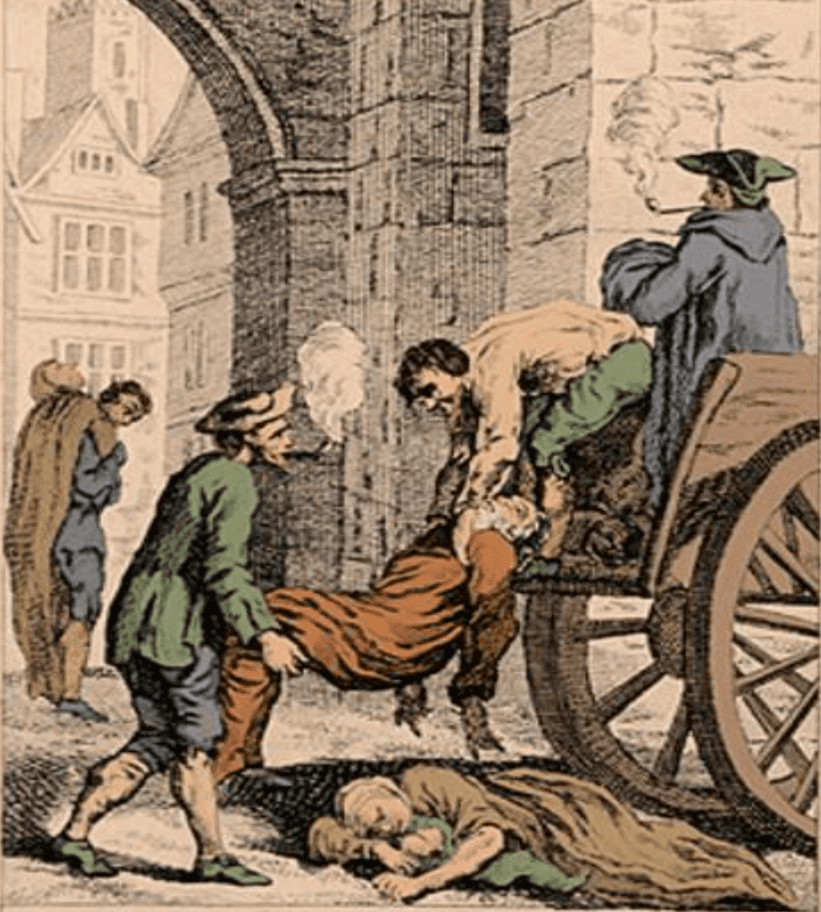
In 1644, Leeds suffered a devastating outbreak of the plague, a common occurrence during that era. Despite its wealth and prosperity, the city could not escape this tragedy, largely due to poor sanitation. By 1645, the plague had claimed 1,300 lives. Weekly markets were suspended, and deaths occurred so frequently that parish records could not keep up.
In 1694, Leeds introduced a water supply system, improving public health conditions. However, not all residents could afford access to this infrastructure.
Cholera Epidemics in the 19th Century
Leeds endured multiple cholera outbreaks in the 19th century. In 1832, an epidemic claimed over 700 lives, followed by a more severe outbreak in 1849 that resulted in over 2,000 deaths.
By the mid-19th century, Leeds had a population of approximately 100,000, making it a burgeoning metropolis. The city’s rapid growth highlighted the urgent need for improvements in public health infrastructure. Streets remained dirty, and housing conditions were deplorable, contributing to the spread of disease.
The cholera epidemic prompted authorities to prioritise hygiene and public welfare. In the 1850s, Leeds City Council constructed a sewage system, though many homes were not connected. It wasn’t until 1899 that connecting homes to the sewage system became mandatory.
Leeds in the 20th Century: The World Wars
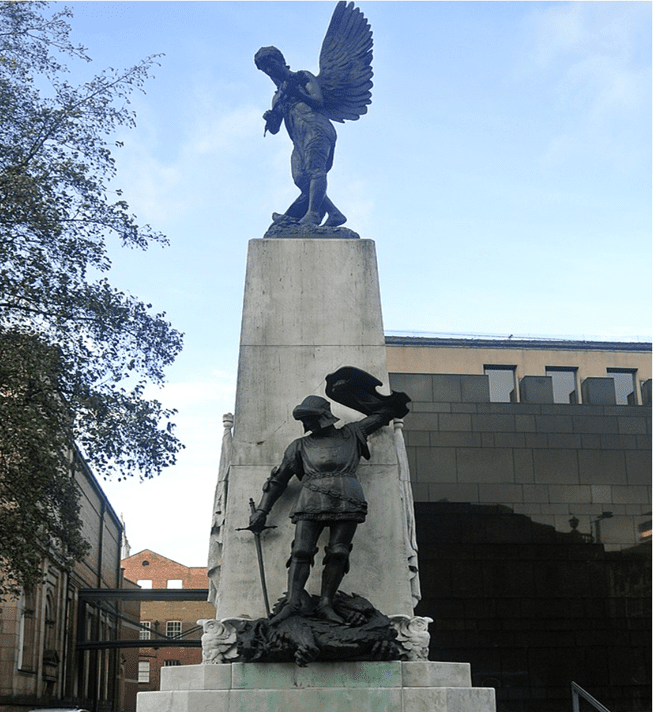
During the First World War (1914–1918), Leeds played a significant role in the defence industry. The Cross Gates area housed a large munitions factory. One of the most tragic incidents of the war occurred at the Barnbow Munitions Factory, later renamed the Royal Ordnance Factory Barnbow. On 5 December 1916, an explosion in the factory’s Number 42 Shop killed 35 women workers and injured many others. The factory employed 16,000 workers from Leeds and surrounding areas, including Wakefield, Selby, and Wetherby.
A memorial in Leeds commemorates the lives lost in this tragedy.
The Second World War
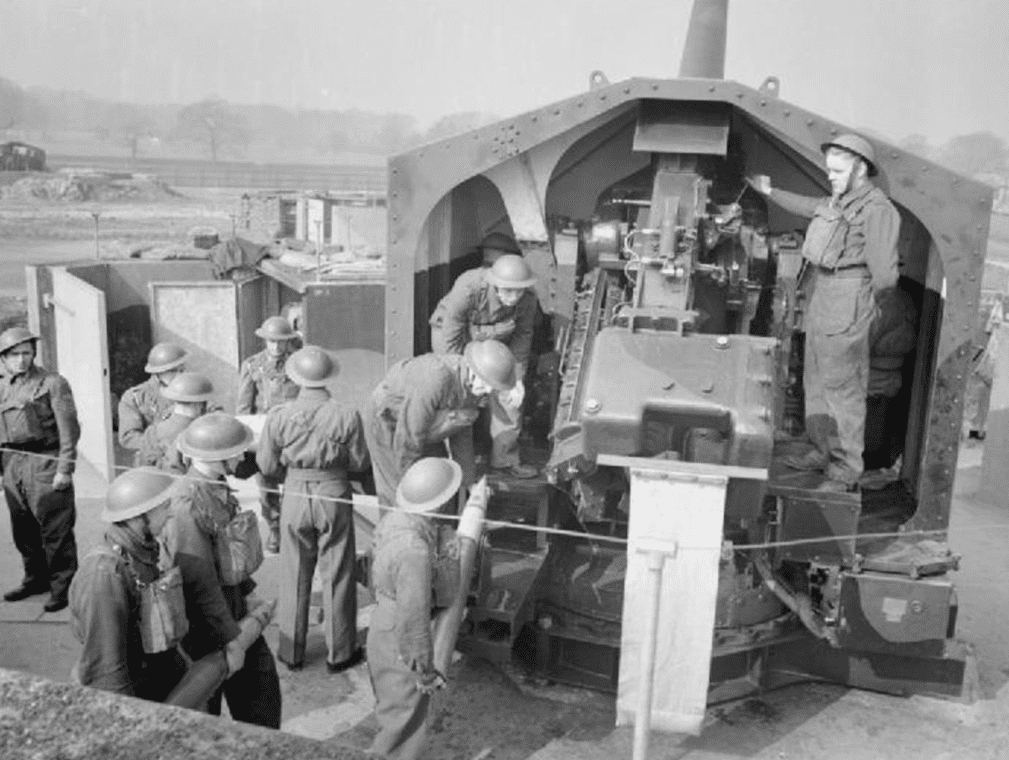
Leeds contributed to the Second World War (1939–1945), though its involvement was less prominent compared to the First World War. The city’s geographic location and lack of major industrial targets spared it from significant destruction. However, Leeds experienced bombings, with 77 fatalities and 197 buildings destroyed. The heaviest bombing occurred on 14–15 March 1941, particularly affecting the Beeston suburb.
In 1942, Leeds residents raised over £9 million—surpassing the £5 million target—for a new Royal Navy aircraft carrier, following the sinking of HMS Ark Royal.
Leeds’ history is a testament to its resilience in the face of challenges such as wars and epidemics. These events shaped the city and strengthened its community. Despite adversity, the people of Leeds emerged stronger, fostering a deep love for their historic city and its promising future.
Today, Leeds continues to thrive, surpassing other UK cities in various metrics. In 2022, the city’s population reached 812,000 and is projected to exceed 1 million in the near future.