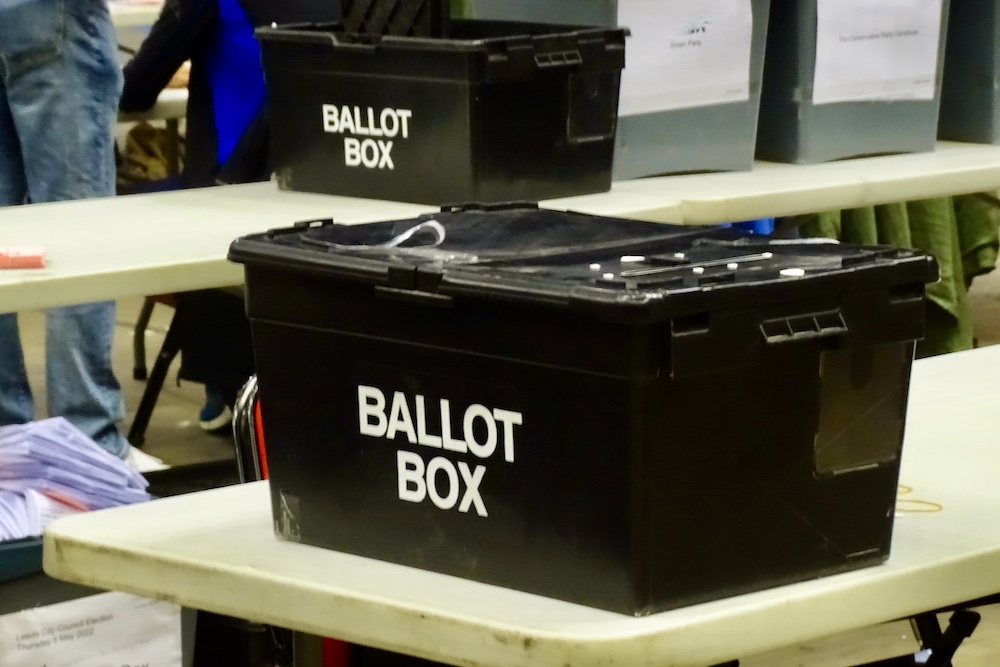

City governance plays a crucial role in urban life. It is local officials who oversee public services, infrastructure development, and the city’s environment. Therefore, the future of a city largely depends on its elected council members. Today, we take a closer look at local elections in Leeds — a key part of the democratic process. These elections determine the composition of the city council and help shape the city’s political and development agenda. Leeds, one of the largest cities in England with a population of over 800,000, holds elections that significantly impact regional politics and socio-economic development. Learn more at leedsyes.com.
All About Local Elections
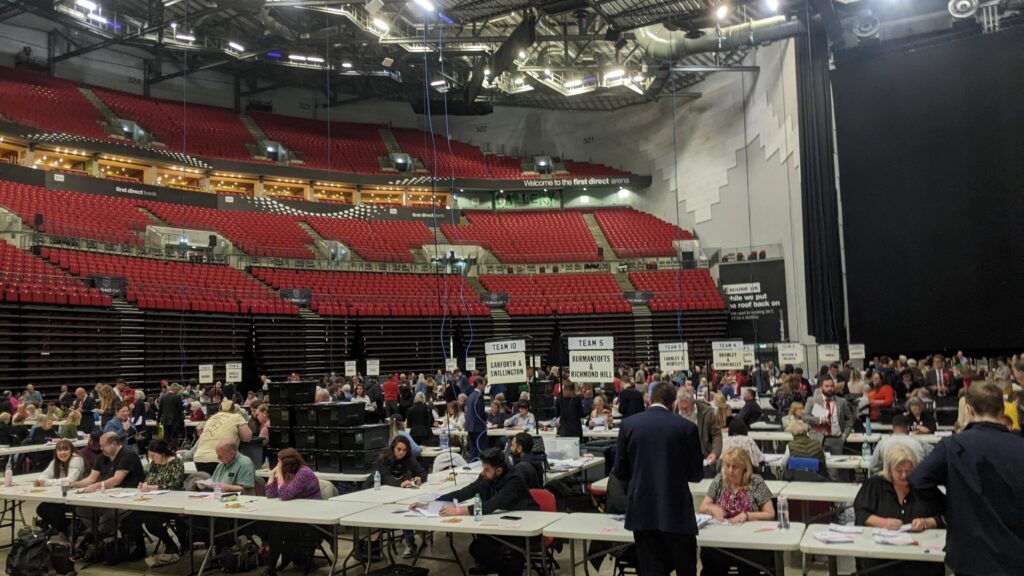
Local elections in Leeds follow the first-past-the-post system in multi-member electoral wards. The Leeds City Council is made up of 99 councillors elected from 33 wards, with each ward represented by three councillors.
Typically, elections in Leeds are held every four years. Voters can choose from candidates representing different political parties or standing as independents.
Traditionally, Leeds has been a political battleground dominated by two major parties — the Labour Party and the Conservative Party. In the most recent elections held in 2023, Labour retained control of the council, winning about 60% of the seats. The Conservatives secured around 30%, with the remaining seats going to the Liberal Democrats and smaller parties.
Election Features in Leeds
Political scientists and sociologists note that voter turnout in Leeds’ local elections usually ranges from 35% to 45% — typical for local elections in the UK. However, there has been a noticeable increase in youth participation, driven by growing political awareness and the use of digital tools for campaigning.
Election outcomes directly influence budget priorities, infrastructure development, social programs, and environmental policies in the city. Leeds is actively investing in modernizing transport, expanding housing, and supporting businesses — all reflecting campaign promises made by elected councillors.
According to official data, approximately 150,000 votes were cast in the 2023 Leeds local elections, with over 800,000 registered voters eligible to take part.
It’s worth noting that Leeds does not have a directly elected mayor in the traditional sense found in some other cities. Instead, the city is governed by the Leeds City Council, which is composed of 99 elected councillors. The council may appoint a leader to oversee executive functions, but this is not a position directly elected by the public.
In general, the UK features several models of local governance. Leeds falls under the category of metropolitan districts with a city council where executive powers lie with the leader of the council, chosen by the council itself — not a mayor elected by public vote. This means power is not concentrated in a single individual, and the leader can be replaced by a vote within the council if they fail to perform their duties.
Some people view local elections as just another bureaucratic formality and believe their vote doesn’t matter. But in reality, your vote plays a vital role in shaping the future of your city.
We hope this article has been informative and helped you learn more about your hometown. Do you take part in local elections? Share your thoughts with us on social media.