
In the 21st century, it’s hard to imagine a parliament or city council without women. Today, women are an essential part of the political life of any city or country. However, in past centuries, women had to fight hard for their rights. In this article, we will explore elections and the role women have played in this field. Read more about it on the website leedsyes.com.
How Women Fought for Their Rights
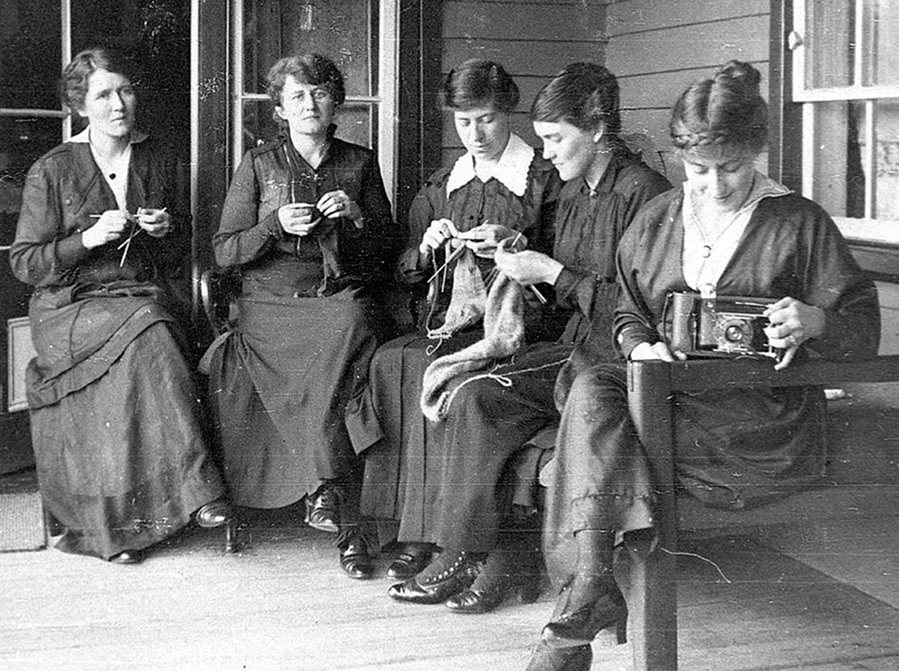
The history of the women’s suffrage movement in Leeds largely reflects national trends in the UK. It’s well known that, for a long time, women did not have the right to vote. Voting rights were restricted by property qualifications and granted primarily to men. Naturally, not all women accepted this inequality. By the late 19th century, the movement for equal political rights had started gaining momentum.
In 1867, the UK expanded voting rights for men, but women remained excluded from the political process. This led to the emergence of the suffragist movement, which gained strong support in Leeds.
Suffragists in the city organized rallies, petitions, and campaigns to draw attention to the issue.
Women and Elections
The efforts of female activists and suffragists were not in vain. Although the process took time, women eventually achieved their goal. In 1918, after the First World War, women aged 30 and over who met property qualifications were granted the right to vote — this included women in Leeds. At that time, about 8.4 million women in the UK gained voting rights.
Just ten years later, in 1928, voting rights were extended to all women aged 21 and above. This meant that from then on, all adult women in Leeds could vote on equal terms with men.
According to the 1931 census, Leeds had a population of over 700,000, with roughly half being women. Women’s participation in elections gradually increased, and by the second half of the 20th century, they had become active participants in the city’s political life.
In the 21st century, women in Leeds not only have full voting rights but also hold a significant number of positions in the city council and other governing bodies — a testament to the progress made in overcoming historical barriers.
Prominent Women from Leeds Who Made a Mark in Politics
Many women from Leeds and the surrounding region have reached significant heights in politics. For example, Alice Martha Bacon, Baroness Bacon, was a prominent British political figure from the Labour Party. She became the first female Member of Parliament from Leeds, representing the Leeds North East constituency and later Leeds South East, serving until 1970. Throughout her political career, Bacon was a member of the Labour Party’s National Executive Committee and held positions as Minister of State at the Home Office and later at the Department of Education and Science.
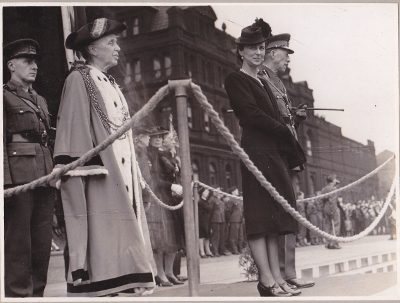
Jessie Beatrice Kitson also made history. She was the first woman to serve as Lord Mayor of Leeds, holding this honorary position in 1942–1943. Her election in 1942 was a historic milestone for the city.
Jillian Wendy Mortimer is another notable female politician from Leeds in the modern era. A member of the Conservative Party, she is known for her active participation in the political life of both the city and the country.
As you can see, the journey of women in Leeds toward gaining the right to vote was part of a broader movement for gender equality in the UK — a struggle that lasted more than a century and ultimately led to the establishment of full voting rights for women.
We hope this article has been informative and has helped you learn more about your hometown.