
It is well known that Leeds is the largest city in the West Yorkshire region. However, Leeds is also the principal city of our area. Historians point out that this status is owed to its rich and diverse history, favourable geographical location, and rapid development during the Industrial Revolution. Today, we take a closer look at this topic. Read more on leedsyes.com.
About West Yorkshire
The region of West Yorkshire in England was officially established in 1974 as part of a local government reform introduced under the Local Government Act 1972.
West Yorkshire became a metropolitan county and ceremonial area, covering approximately 2,029 square kilometres and home to around 2.3 million people. The region comprises five main metropolitan boroughs: the cities of Leeds, Bradford and Wakefield, along with the districts of Calderdale and Kirklees. Leeds, as the largest city, is considered the principal city of West Yorkshire.
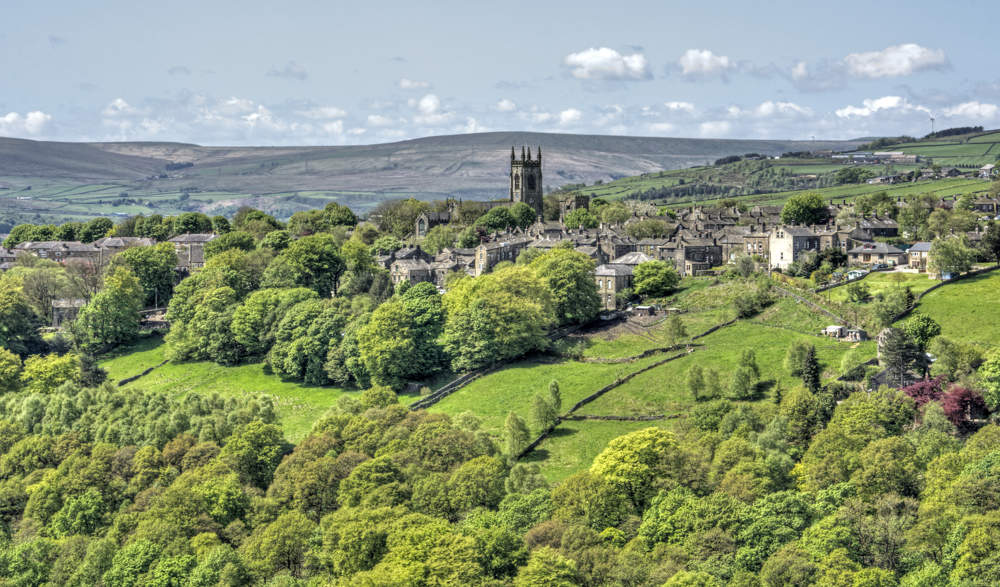
West Yorkshire borders the counties of Derbyshire, Greater Manchester, Lancashire, North Yorkshire, and South Yorkshire. The landscape is marked by rolling hills and valleys that descend to the east and include moorlands of the Pennines.
One important fact is that the region has a rich industrial heritage, with historically significant coal mining, wool, and iron ore industries that shaped the region’s economy for centuries. Additionally, West Yorkshire is supported by a strong transport infrastructure, including key rail lines, motorways, and Leeds Bradford International Airport.
The Importance of Leeds to the Region
The first known reference to Leeds appears in documents from 1086, and in 1207 the city was granted market town status. This marked the beginning of its commercial development and laid the foundations for its future economic success.
The city began to develop rapidly from the 18th century with the onset of the Industrial Revolution. The population grew swiftly—from 30,000 by the end of the 1700s to 150,000 by 1840. Historians credit this growth to the city’s burgeoning industries, especially textiles, engineering, and coal mining.
Leeds also became a vital transport hub in northern England. In 1699, legislation was passed to improve navigation along the River Aire, which significantly enhanced the city’s links with continental Europe.
Between 1774 and 1816, the Leeds and Liverpool Canal was constructed, connecting the city to the western coast of Britain and creating a vital trade route. In 1758, the world’s first railway—originally laid with wooden tracks—was built near Leeds, linking the city centre with local coal mining areas.
By the 19th century, Leeds’ economy included textile production, dyeing, steam engine manufacturing, and engineering to support the growing industrial needs of the time. At one point, around half of Britain’s exports passed through Leeds, reinforcing its status as an economic powerhouse. Although the city’s industrial activity declined following the Second World War, it successfully transitioned towards finance, services, and trade.
Today, Leeds is the UK’s second most significant financial and legal centre after London, with over 790,000 residents in the city proper and a wider West Yorkshire urban area population of 1.7 million.
All these factors have made Leeds not only the largest but also the leading city in West Yorkshire. We hope you found this article informative and that it helped you learn more about our city.