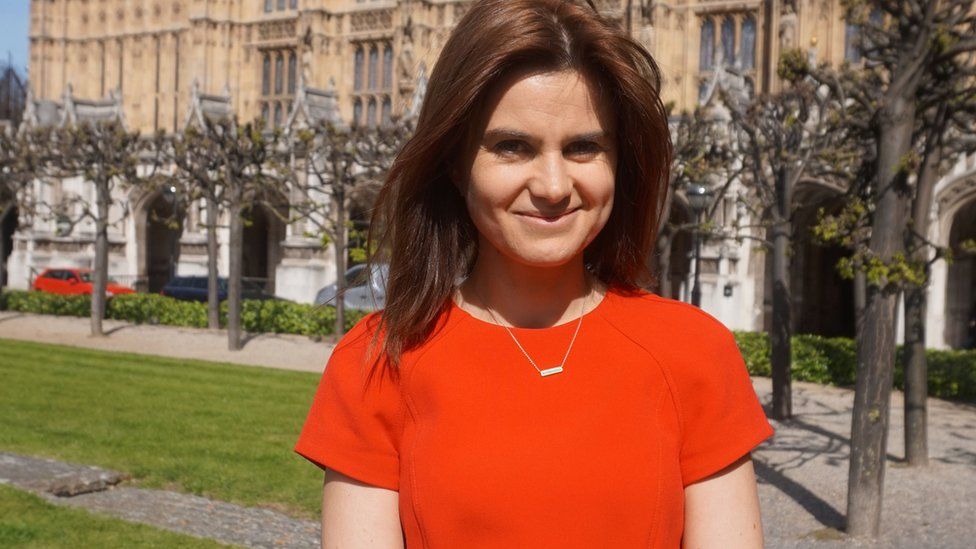

Politics is often said to be a dirty business, but it is made so by dirty hands. Scandals, intrigues, and corruption are often associated with public figures. Today, we discuss a shocking political assassination that occurred on 16 June 2016—the murder of Jo Cox, a politician from the British Labour Party, in Birstall, near Leeds. Learn more about this tragedy on leedsyes.com.
The Events of 16 June 2016
Jo Cox was a politician elected in 2015 to represent the Batley and Spen parliamentary constituency. She previously worked for the international humanitarian organisation Oxfam, was married, and had two children. On 16 June 2016, her life was tragically cut short.
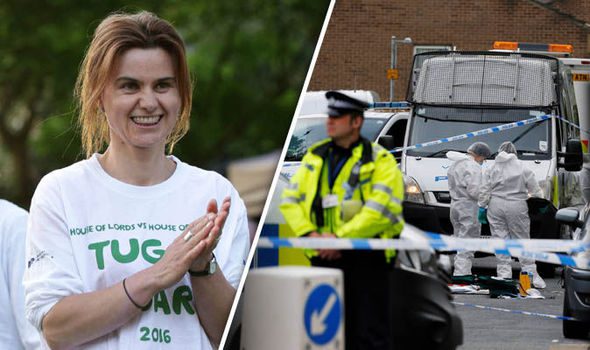
That day, Jo was on her way to meet constituents in Birstall. Thomas Mair, a 53-year-old unemployed gardener, ambushed her, shooting her twice in the head and once in the chest with a hunting rifle. Not stopping there, Mair stabbed her 15 times. Despite being rushed to the hospital, Jo succumbed to her injuries.
Retired miner Bernard Kenny tried to intervene but was stabbed and injured. His bravery earned him a medal for heroism. Another witness followed Mair and provided the police with a detailed account of the attack. Mair was arrested about a mile from the crime scene by officers Craig Nicholls and Jonathan Wright.
This was the first political assassination in the UK in decades, with the last being the 1990 murder of Conservative MP Ian Gow.
Who Was Thomas Mair?
Thomas Alexander Mair, the assassin, was a loner with mental health issues, though he was deemed legally sane. Mair harboured extreme right-wing views and believed liberal and left-wing politicians were to blame for the world’s problems.
Jo Cox’s support for the European Union and immigration made her a target in his eyes, as he perceived these positions as betrayals of “white people.” Mair had links to British and American far-right groups, including the neo-fascist National Front and the neo-Nazi National Vanguard. Reports indicate he fantasised about committing such an act for over 17 years.
The day before the murder, Mair visited a health centre in Birstall seeking help for depression. However, a psychiatric evaluation after his arrest found no evidence of severe mental illness, and he was held accountable for his actions.
On 14 November 2016, Mair stood trial and made no effort to defend himself. Witnesses testified that during the attack, he shouted, “This is for Britain,” “Keep Britain independent,” and “Britain first.” On 23 November 2016, Mair was sentenced to life imprisonment. The harsh sentence reflected the terrorist and ideological nature of his crime.
Honouring Jo Cox’s Legacy
Jo Cox was laid to rest on 15 July 2016, with thousands attending her funeral to pay their respects. On the day of her death, her husband released a statement pledging to raise their children with love and to fight against the hatred that took her life. He emphasised Jo’s unwavering belief in and fight for a better world.
In the aftermath, the Union Jack on public buildings was lowered, and the Queen sent a private letter of condolence to Jo’s widower. The Labour Party held a vigil in Parliament Square, and the entire nation expressed shock and grief.
Jo’s friends established a memorial fund in her honour, with proceeds directed to three causes she championed: Hope Not Hate (an anti-extremism group), the Royal Voluntary Service, and the Syrian rescue group White Helmets. Within days, the fund raised over £1 million.
On 22 June, what would have been her 42nd birthday, friends organised a public memorial event titled More in Common: Celebrating Jo Cox’s Life at Trafalgar Square in London. Similar events were held worldwide.
A year later, in June 2017, her family and friends marked the first anniversary of her death with The Great Get Together, featuring picnics, street parties, and concerts across the UK to honour her memory.
The murder of Jo Cox is one of the most shocking political assassinations in modern British history. Her death reminds us of the dangers of extremism and the importance of fostering unity and understanding in society.