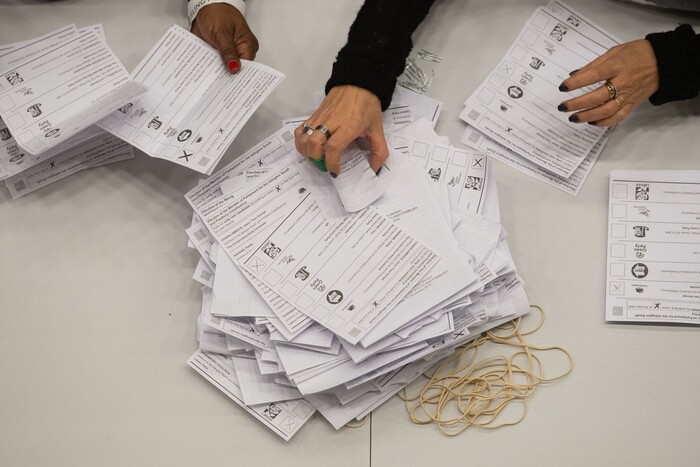

Modern society is hard to imagine without elections. The expression of the people’s will is a cornerstone of democratic nations. But this wasn’t always the case. Today, we’ll explore the history of elections in the city of Leeds — how the electoral process functioned in past centuries. Read more about this on leedsyes.com.
Leeds Played a Key Role in the Nation’s Political Life
Historians and political scientists unanimously agree that Leeds, as one of the country’s largest industrial and commercial cities, played a significant role in national politics. This was especially true in the early 19th century, a period marked by major electoral reforms.
During the 18th and early 19th centuries, voting rights in the United Kingdom were extremely limited. Only men who met strict property qualifications were allowed to vote. Moreover, many newly emerging industrial cities, including Leeds, had no parliamentary representation. Meanwhile, small towns with very few voters still had seats in Parliament. This imbalance caused a major political crisis and led to growing demands for reform.
Reforms and Changes to the Electoral System
A turning point came with the Reform Act of 1832. This legislation abolished representation for so-called “rotten boroughs” (small towns with few voters) and created new constituencies in industrial centers, including Leeds. The property requirements were also lowered, expanding the number of eligible voters, although universal suffrage had yet to be achieved.
This reform laid the foundation for a more democratic electoral system and gave the people of Leeds the opportunity to elect their own representatives to Parliament.
Further reforms followed in 1867 and 1884, which significantly broadened voting rights. These changes extended suffrage to larger sections of the population, including workers and the middle class. As a result, Leeds gained substantial political influence, and its voters became active participants in shaping Parliament.
In the 20th century, elections in Leeds were held as part of the national electoral system, with urban constituencies regularly electing Members of Parliament to the House of Commons.
How Elections Take Place in Leeds in the 21st Century
Naturally, the electoral process in modern-day Leeds is very different from what it was in past centuries. Today, elections are held within the framework of the UK’s general electoral system — a process that is democratic, transparent, and well-regulated.
Local elections in Leeds involve electing members of the City Council, who are responsible for governing the city and making decisions on local matters. These elections are usually held every four years, with voters selecting council members who represent various political parties.
As for voting rights, all UK citizens — as well as Commonwealth and EU citizens residing in Leeds — who are aged 18 or older are eligible to vote. Voting takes place at specially designated polling stations, and postal voting is also available.
It’s worth noting that election results in Leeds have a direct impact on the formation of local government, budget decisions, infrastructure development, and social programs.
As you can see, the electoral system has changed dramatically over the past few centuries. Elections in Leeds today are far more democratic and accessible to all adult citizens. That’s why elections in 21st-century Leeds are a vital element of democratic governance — reflecting public opinion and shaping local policies in response to today’s challenges.
We hope this article has been informative and has helped you learn more about your hometown.