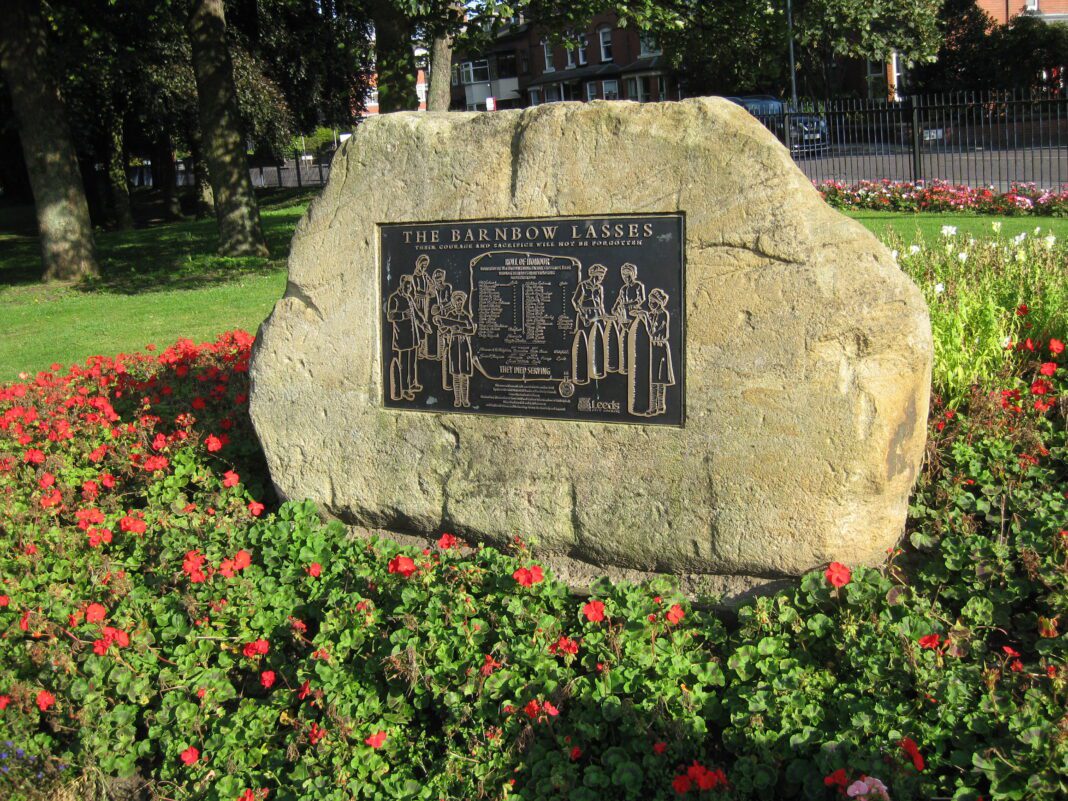

War is a tremendous trial for any nation, bringing death, destruction, pain, and tears. Like other British cities, Leeds endured the hardships of two world wars. These grim chapters in history remind us of the need to do everything possible to prevent such conflicts in the future. Today, we discuss the tragedy that occurred at the Barnbow National Filling Factory №1 in Leeds during the First World War. Next on leedsyes.com.
Leeds and its Ammunition Factories
Leeds, with its advantageous geographic location, became a hub for industrial activity during the war. At the outset of the First World War, Britain faced a severe shortage of ammunition for its troops on the Western Front. The government responded by expanding production capacities. By early 1914, Leeds Forge was already producing 10,000 shells weekly, but this was insufficient. Consequently, new factories were built to meet wartime demand.
Joseph Watson spearheaded the construction of a new facility in Barnbow, a small settlement near Leeds. By 1915, the Barnbow National Filling Factory №1 was operational. The factory occupied a vast area, comprising multiple buildings for filling shells with explosives and assembling them. Railway lines were laid to facilitate worker transportation and the delivery of ammunition to other parts of the country.
Additionally, the factory complex included water supply lines, changing rooms, and a cafeteria for workers.
Working at the Barnbow Factory
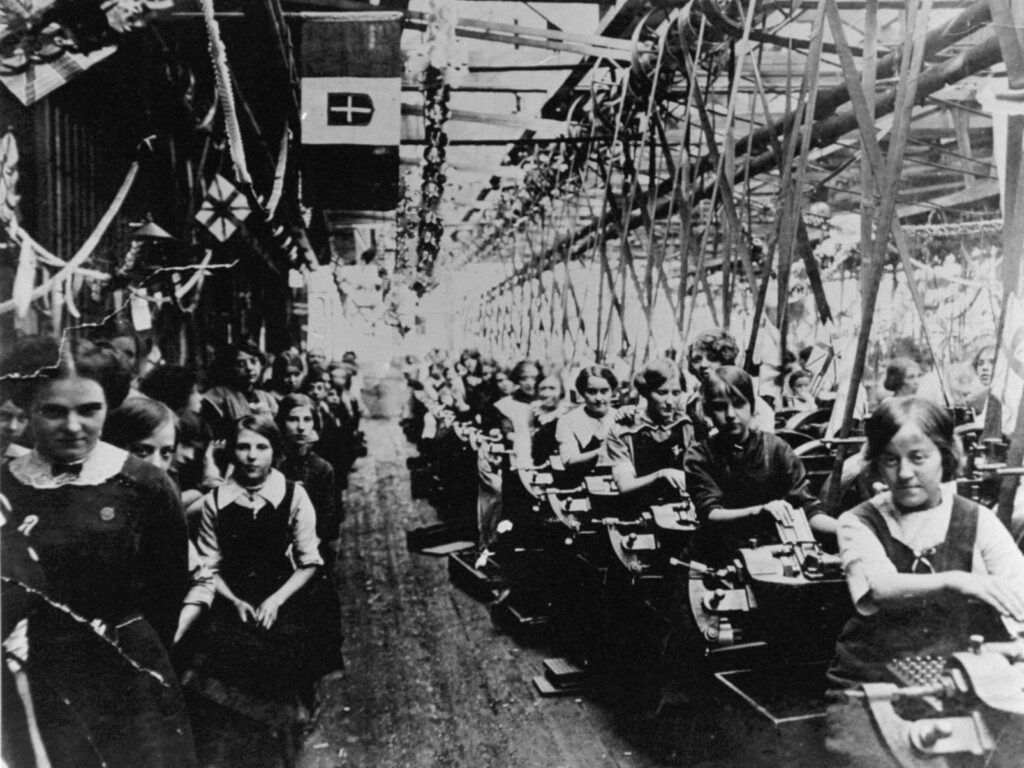
The factory required a massive workforce, and a dedicated employment agency was established in Leeds. One-third of the workers were recruited locally, while others came from York, Castleford, Wakefield, Harrogate, and Pontefract.
Workers operated in three shifts, six days a week. By October 1916, the factory employed 16,000 people, over 90% of whom were women and girls, as most men were conscripted. Many women worked directly with explosives, wearing protective overalls, caps, and rubber-soled shoes. Smoking and matches were strictly prohibited.
Working conditions were harsh, and meals provided were minimal. However, workers were given plenty of barley water and milk. The factory even maintained its own farm with 120 cows to supply milk.
One notable aspect of working with cordite, a key explosive component, was its side effect of turning the skin yellow. These women, nicknamed the “Barnbow Canaries”, often consumed milk to mitigate the effects.
The Explosion
On December 5, 1916, a devastating explosion occurred at the factory. During the third shift, 170 women were working on filling 4.5-inch shells, refining and packing them. At 10:27 PM, an explosion rocked the factory, killing 35 women and injuring over 30 others.
The tragedy shocked Leeds and the nation, but wartime censorship kept the incident largely out of the media. It wasn’t until after the war ended that the full extent of the disaster became known.
In December 2016, a century after the tragedy, a memorial was erected at the site to honor the women who lost their lives. The memorial symbolizes the courage of the women who risked their lives working in such hazardous conditions.
Despite the explosion, the factory continued operating, as the demand for ammunition remained high. By the end of the war, the factory had produced over 566,000 tons of ammunition, including artillery shells of various calibres. The factory operated at full capacity throughout the war and was eventually closed in 1919.
The women of Leeds played a vital role during the First World War, working in factories, public organizations, hospitals, and auxiliary military services. With many men serving on the frontlines, women took on numerous responsibilities. They worked in industrial sectors, on textile factory floors producing ammunition bags and uniforms, and as nurses, sanitation workers, and volunteers.
The Barnbow National Filling Factory №1 disaster remains a poignant chapter in Leeds’ history, illustrating the sacrifices made by women to support the war effort.
Have you heard about the Barnbow Factory tragedy before? Share your thoughts in the comments on social media—we’d love to hear from you.