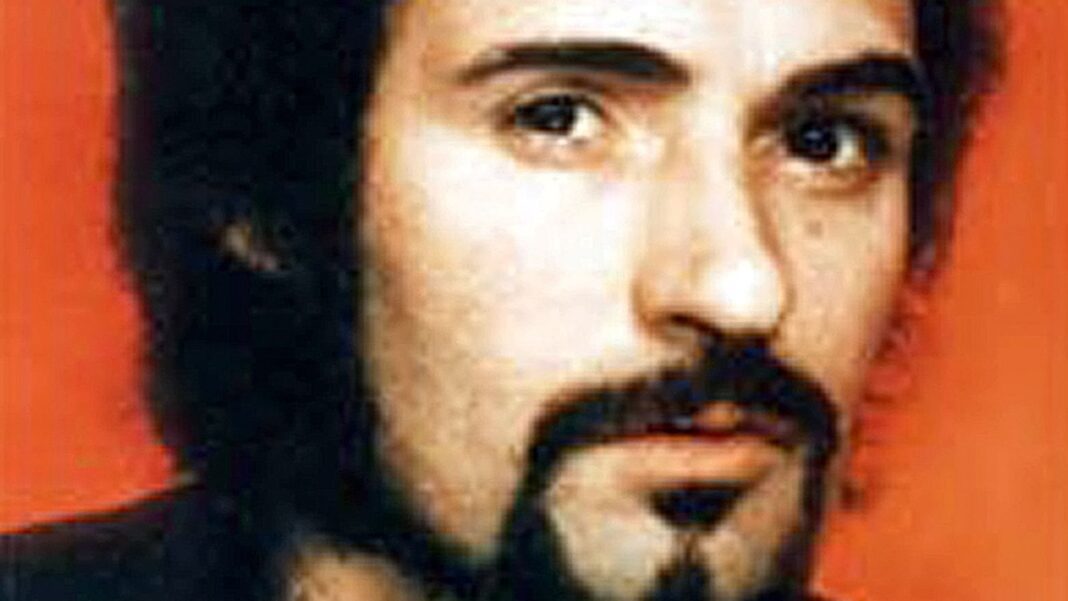

The history of Leeds and the surrounding region is rich and complex, but not all events are positive. One of the darkest chapters belongs to Peter Sutcliffe, infamously known as “The Yorkshire Ripper.” Between 1975 and 1980, he murdered thirteen women and attacked several others, spreading fear across West Yorkshire. This article delves into the unsettling details of his life, crimes, and eventual capture. Next on leedsyes.com.
Early Life: A Troubled Beginning
Peter Sutcliffe was born in 1946 in Bingley, West Yorkshire, into a working-class family. His childhood was marred by domestic violence and neglect. His mother was a victim of his father’s abusive behavior, and Sutcliffe himself was subjected to physical and emotional abuse.
Struggling in school, he left education at the age of 15 and took on menial jobs, including working as a gravedigger. This role, surprisingly, brought him a sense of satisfaction and fascination, fueling an eerie obsession with death.
The Path to Violence
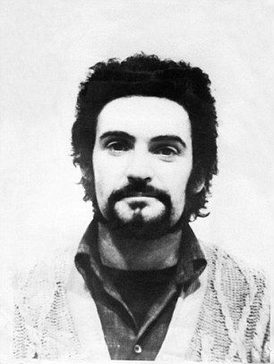
In 1976, Sutcliffe began working as a truck driver, but his personal life had already taken a sinister turn. His fixation on sex workers began in his youth, allegedly stemming from negative experiences. Sutcliffe often loitered in red-light districts, observing and later targeting women.
He married Sonia Szurma, the daughter of Ukrainian and Polish immigrants, in 1974. Sonia was later diagnosed with paranoid schizophrenia, but the couple remained together until Sutcliffe’s arrest.
The First Attacks
Sutcliffe’s violent spree started with non-fatal attacks:
- 1969: He attacked a sex worker with a stone in a sock. She survived and reported the incident to the police, but no charges were filed.
- 1975: Two women, Anna Rogulskyj and Olive Smelt, were brutally attacked with a hammer and knife but survived. Both incidents occurred in West Yorkshire.
- Tracy Browne, a 14-year-old girl, survived a hammer attack when a passing car scared Sutcliffe away.
These early crimes hinted at his deadly intentions, but it was his first murder that cemented his infamy.
The Murders Begin
In October 1975, Sutcliffe claimed his first victim, Wilma McCann, a 28-year-old sex worker from Leeds. Her death was particularly brutal, involving multiple hammer blows and stab wounds. This marked the beginning of a five-year killing spree:
- Total Murders: 13 women.
- Survivors: 7 women who endured horrific attacks.
Sutcliffe’s victims were primarily sex workers, but his later crimes showed he also targeted non-sex workers, causing widespread panic. Despite his distinct pattern of attacking women with hammers and knives, police failed to apprehend him for years.
Sutcliffe’s ability to evade capture was a major point of contention. The West Yorkshire Police interviewed him nine times over five years, but procedural errors and biases led to missed opportunities. For example:
- Victim testimonies, such as recognizing Sutcliffe’s Yorkshire accent, were overlooked.
- Misleading evidence, including a hoax letter and tape claiming to be from the killer, distracted investigators.
The lack of urgency in investigating crimes against sex workers also drew criticism, especially from feminists and women’s rights advocates.
Sutcliffe’s reign of terror ended in 1981 when he was arrested for driving with false license plates. During questioning, he confessed to his murders, claiming he was carrying out a divine mission to rid the streets of sex workers.
In 1984, he was diagnosed with paranoid schizophrenia, but this did not exempt him from justice. A court sentenced him to life imprisonment.
Peter Sutcliffe spent nearly 40 years in prison before dying of complications related to COVID-19 in 2020, aged 74. His death marked the end of one of Britain’s most notorious criminal cases.
Sutcliffe’s crimes left an indelible scar on Leeds and West Yorkshire. For five years, women lived in fear, and the police faced harsh criticism for their mishandling of the case. The societal biases against sex workers were evident in the lack of urgency, prompting reforms in investigative practices and a broader conversation about the value of all lives.
The story of Peter Sutcliffe is a harrowing reminder of the horrors that can emerge from systemic failures and societal prejudice. While Leeds has moved forward, the shadow of the Yorkshire Ripper serves as a lesson for future generations to remain vigilant and committed to justice for all.