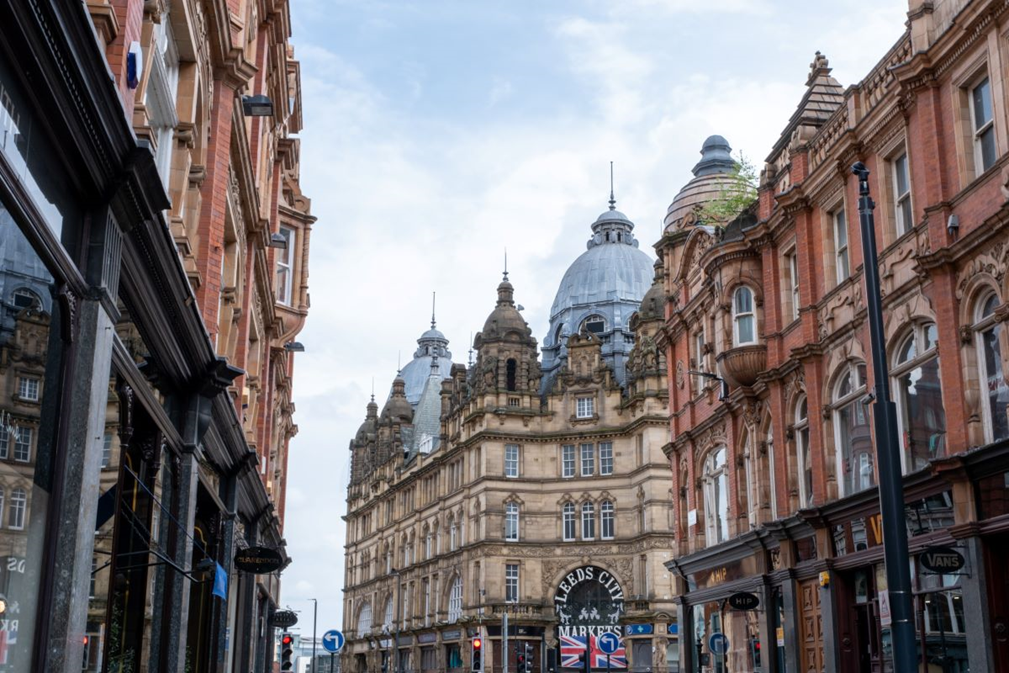

Leeds is a modern, thriving metropolis and one of the leading cities in the United Kingdom. It is brimming with energy, attracting students from around the world, and welcoming tourists, travelers, and researchers. Leeds has everything necessary for a vibrant, fulfilling life, and its historical landmarks and fascinating sites captivate both locals and visitors alike. Discover more about Leeds on leedsyes.
The city has developed over centuries, following an intriguing yet challenging path marked by turbulent events. Its key strengths lie in its natural resources, robust industry, and creative citizens, as noted on the Welcometoleeds.co.uk website.
The coal and iron deposits in the region, abundant supplies of soft water from the River Aire tributaries, and excellent transport links through the Pennines helped establish Leeds as the industrial capital of Yorkshire. Today, it is the largest city in Yorkshire and one of the UK’s foremost cultural hubs.
Origins of the City
The first mention of the area that would later become Leeds dates back to the eighth century when it was referred to as “Loidis” by a historian. This name is believed to originate from an older Celtic term, “Ladenses,” meaning “people living by the river with a strong current.”
This river, with its powerful flow, originates in the Yorkshire Dales near the ancient glacial lake Malham Tarn, passing through Airedale and converging with tributaries such as Hol Beck from the south and Sheepscar Beck from the north in Leeds.
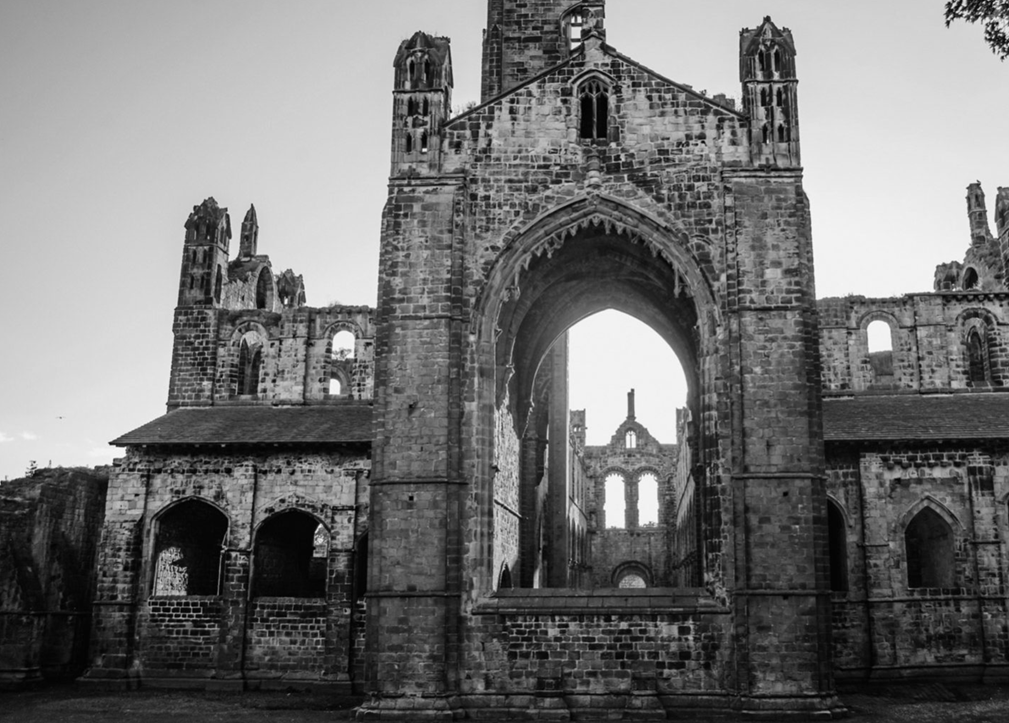
The substrata beneath the river and the streets of Leeds consist of coal and sandstone. Evidence of this sandstone can be seen on the surfaces of some city buildings. Structures like Kirkstall Abbey, the Corn Exchange, and the Town Hall were built using a strong local stone known as millstone grit, sourced from nearby quarries. Coal, the river, and its people propelled the city’s industrial revolution.
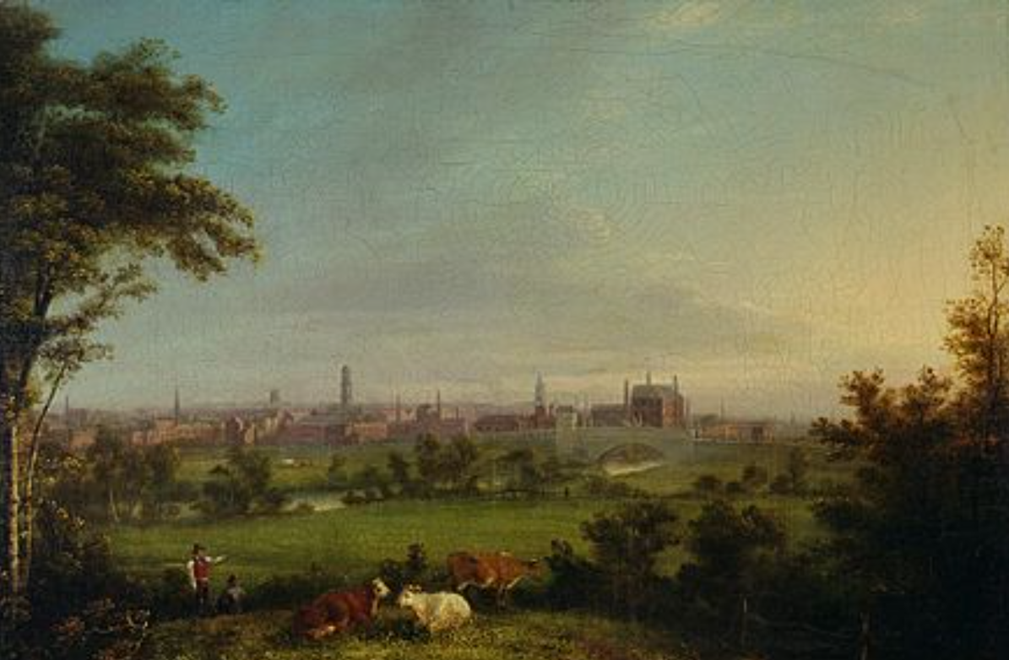
The favorable location and natural conditions facilitated the establishment of a settlement here. Leeds began as an Anglo-Saxon village on the north bank of the River Aire. Records indicate settlements in the area as early as the 13th century, and by 1626, Leeds was recognized as a town.
Development in the 17th and 18th Centuries
By the 17th century, Leeds had become a center for textile finishing, with home weaving flourishing and the city challenging competitors like York and Beverley in the fur trade. The Industrial Revolution brought changes, as wool manufacturing gave way to engineering, aided by the area’s rich coal reserves. Leeds gradually industrialized.
By 1770, Leeds accounted for one-sixth of England’s export trade, demonstrating its remarkable strength. The city’s population also grew rapidly. Archaeological evidence suggests human presence in the region as far back as 2500 BCE, with early inhabitants leaving behind ceramic artifacts. Over time, the city’s population was shaped by migrations, including Celts, Romans, Anglo-Saxons, Vikings, Normans, Irish, and Jews.
Life in the 19th Century
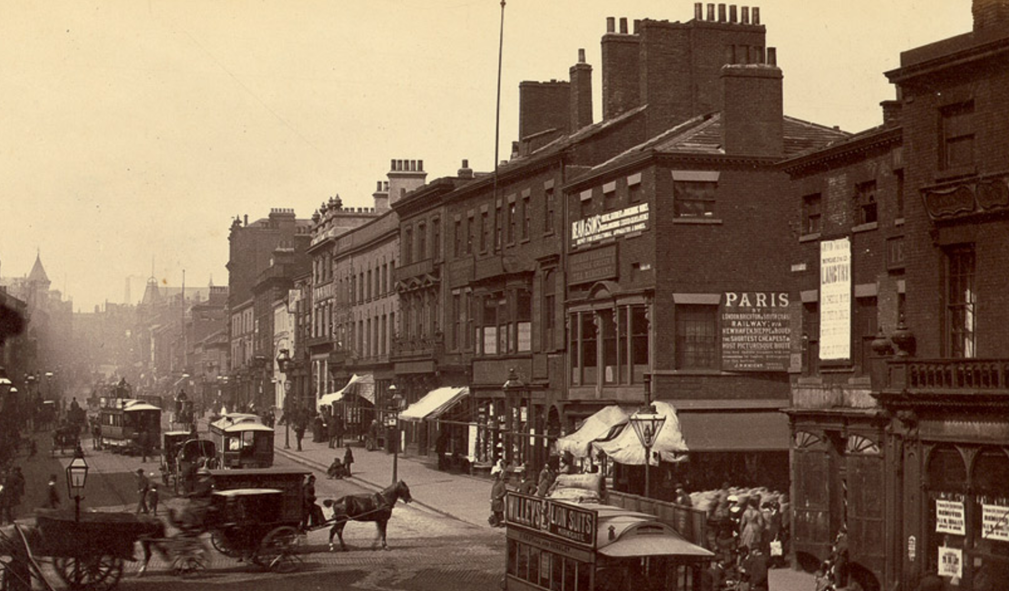
The 19th century saw Leeds continue its rapid development. The construction of the railway turned it into a significant locomotive manufacturing hub. Living conditions in Leeds improved as well. The Leeds-Liverpool Canal, built during this time, further accelerated progress and growth, earning Leeds a reputation as one of the Victorian era’s leading railway junctions.
However, the era was not without its challenges. Cholera outbreaks in 1832 and 1849 severely impacted life in Leeds, with numerous fatalities highlighting the need for better drainage, sewerage, and water supply systems. Eventually, these improvements significantly enhanced public health and hygiene.
Iconic buildings from this period, including the Corn Exchange (1864), the Town Hall (1858), and the Grand Theatre (1878), became historical landmarks and symbols of Leeds’ heritage.
Leeds in the 20th Century
At the turn of the 20th century, manufacturing and industry began giving way to retail, services, and education sectors. Leeds also emerged as a leading financial and legal hub. With support from the Worshipful Company of Clothworkers, the Yorkshire College of Science became the University of Leeds, fostering Nobel laureates and playing a crucial role in the discovery of DNA.
In the 1970s, Leeds underwent significant urban development, with major highways such as the M62 and M1 linking it to Hull, Manchester, Liverpool, and London.
While Leeds was affected by both World Wars, it escaped significant destruction or loss of life. Post-World War II, traditional industries declined, and by 1951, half of the city’s workforce was employed in engineering, a figure that had dropped to one-third by 1971.
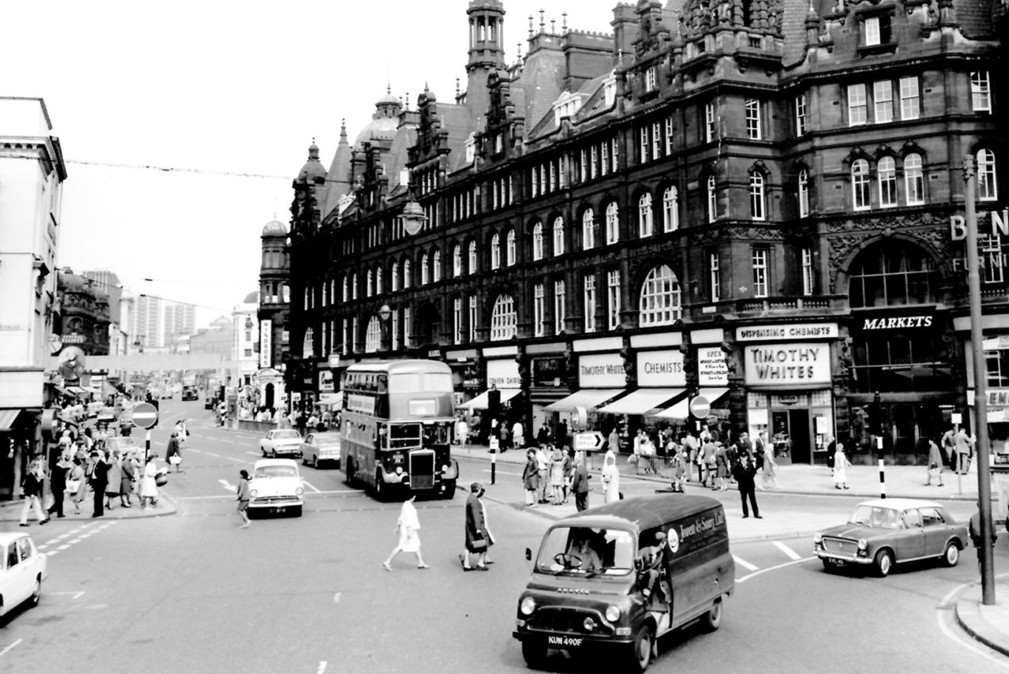
Leeds Today
In the 21st century, Leeds is writing a new chapter of its history. The city seamlessly blends echoes of its past with contemporary elements. Leeds boasts renowned educational institutions, extensive green spaces, and remarkable architecture that harmoniously integrates historical and modern features.
Notable museums in Leeds include:
- Leeds City Museum
- Thackray Medical Museum
- Royal Armouries Museum
Prominent educational institutions include the University of Leeds, Leeds Beckett University, and Leeds Trinity University. The city features over 200 parks and open spaces, encompassing more than 1,500 acres (600 hectares) of woodlands, farmland, and parks. This urban environment is enriched by natural settings and recreational areas, offering residents and visitors spaces to relax and recharge.
Leeds thrives as a vibrant, beautiful, and progressive city—a hub of science, culture, innovation, and leisure. Its history is rich and worth studying, filled with extraordinary events. From its inception as an industrial center to its current role as a leading metropolis, Leeds has long been a place where people come to forge new opportunities. Each year, the city welcomes many international residents seeking education, career opportunities, and a high quality of life.