
Leeds is generally a peaceful city, but like any place, it has seen its share of protests, demonstrations, and strikes throughout history. These events, ranging from peaceful gatherings to aggressive demonstrations, have left their mark on the city’s development. Read more about this on leedsyes.
Protests in Leeds During the 19th Century
The Luddite Riot of 1812
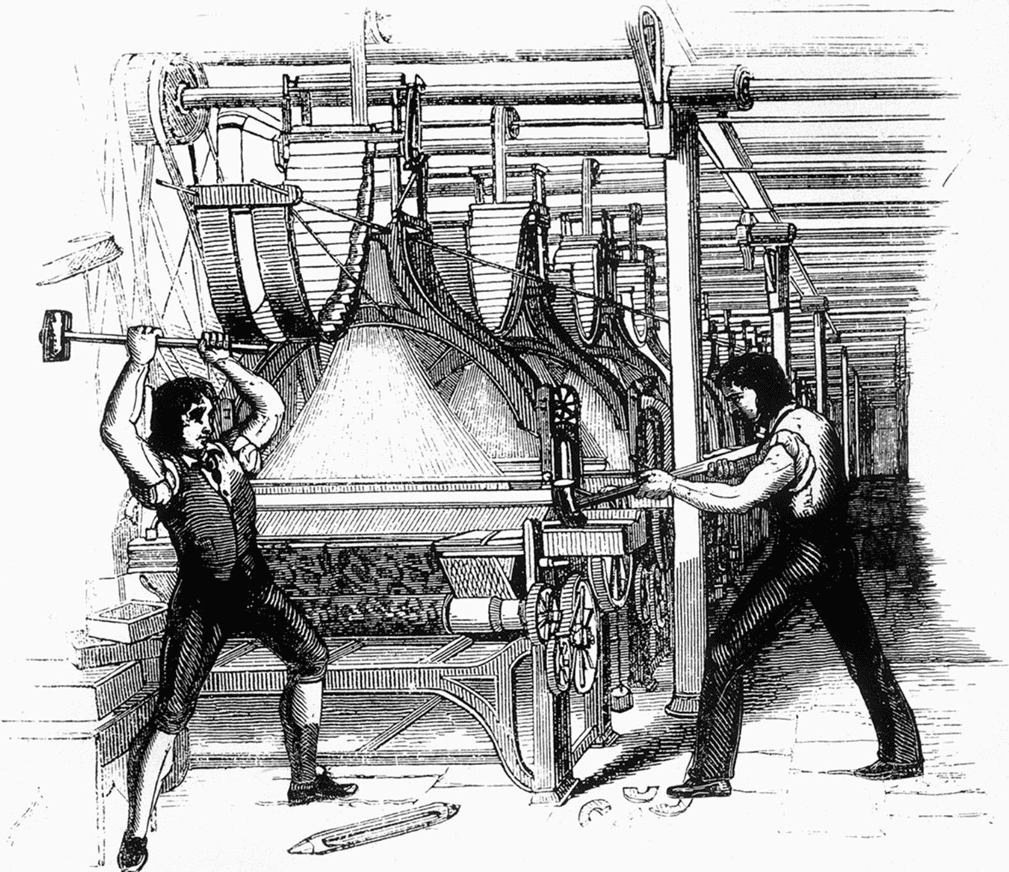
One of the most famous historical protests in Leeds was the Luddite Riot of 1812. The Luddites, desperate due to poverty and hunger, targeted the textile industry, which had long been central to the city’s economy. The movement was named after Ned Ludd, a weaver who became a symbolic leader for those opposing industrialisation. Womenshistorynetwork.org.
According to Womenshistorynetwork.org, the Luddites destroyed factory machinery, believing technological progress would cost them their jobs and livelihoods. On 24 April 1812, a significant attack occurred at Weston’s Mill near Bolton, Lancs, where the rioters smashed looms and other equipment.
Prominent activists included the Molineux sisters, Mary (19) and Lydia (15), who armed themselves with coal picks and encouraged men to join the fight. Although arrested, the sisters were acquitted, likely due to their gender, while male participants faced harsh punishments, including execution or deportation.
The Dripping Riot of 1865
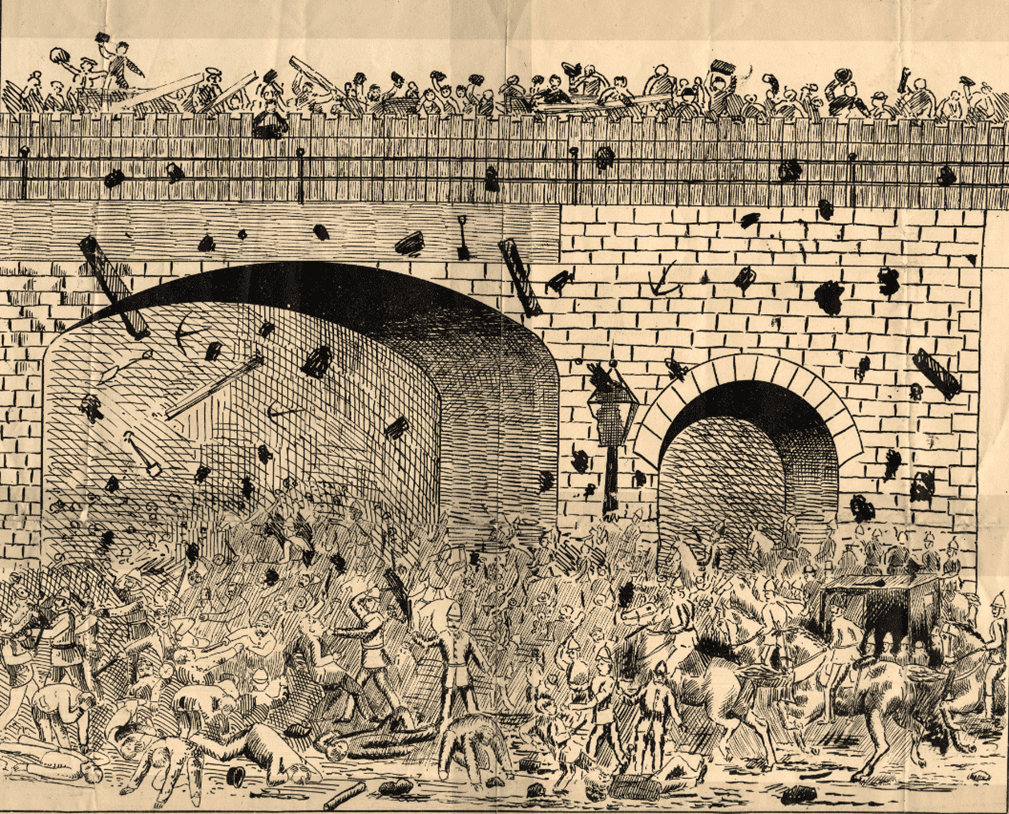
Another notable protest occurred in 1865, triggered by the arrest of cook Eliza Stafford for stealing less than a kilogram of dripping (animal fat). Her employer, Henry Chorley, a surgeon and magistrate, demanded criminal charges. Eliza received a one-month prison sentence, which sparked public outrage.
On 22 February 1865, a crowd of 12,000–15,000 demonstrators gathered to protest the perceived injustice. The riot resulted in one death, five arrests, and convictions for disorderly conduct. Public outcry highlighted societal concerns over inequality and judicial fairness. Chorley’s life continued uneventfully, but Stafford’s fate remains unknown after her release.
The 1890 Gas Workers’ Strike was another significant moment in Leeds’ history. When the city council attempted to suppress the strike by importing labourers from London and Manchester, over 15,000 people rallied in support of the gas workers. Violent clashes with police and the army ensued, leaving a lasting impact on labour relations.
Modern Protests in Leeds
The global wave of protests in 1968 reached Leeds, where students participated in sit-ins and demonstrations. Inspired by movements in France, the United States, and other countries, students at the University of Leeds called for liberalisation, political reform, and peace. These protests were part of a broader push for social change during that era.
Women’s Demonstration in 2010
In 2010, over 200 women marched through Leeds to protest sexual harassment and violence. Advocating for gender equality, the demonstrators demanded safer spaces and the right to feel secure at any time and place. The feminist action received support from several men as well.
Throughout its history, Leeds has been a hub for movements advocating change, justice, and equality. While not all protests succeeded in their immediate goals, they often drew attention to pressing issues and inspired broader societal change. These demonstrations have helped shape the city’s identity as a place where voices are raised for progress and fairness.